
Understanding Gratitude Amidst Life’s Challenges
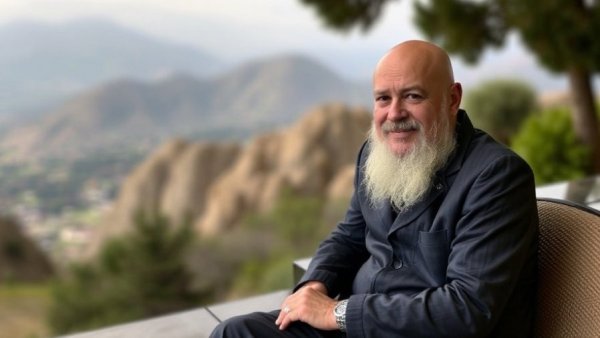
In our fast-paced world, particularly among individuals engaged in sports and outdoor activities, the concept of gratitude is often presented as a universal remedy for stress and anxiety. However, not everyone finds it easy to practice gratitude, especially during tough times. Shamash Alidina’s approach to gratitude emphasizes a gentle acceptance of our feelings, allowing us to acknowledge both challenges and moments of appreciation without the pressure to feel thankful on cue. This nuanced understanding of gratitude is vital for those who face intense physical and emotional demands, such as athletes in competitive settings or hikers tackling difficult trails.
Key Insights from Shamash Alidina
Shamash Alidina advocates for embracing a fuller emotional experience rather than suppressing negative feelings in favor of positivity. He suggests that the journey of being grateful begins with acceptance. Instead of forcing gratitude, one should first acknowledge what they are feeling—whether it’s frustration, doubt, or sadness—before finding room for something good. This perspective is particularly relevant not just in personal reflection but in high-pressure environments like sports or during outdoor adventures, where mental clarity is crucial. Recognizing that all emotions contribute to the overall experience allows athletes and adventurers to approach their challenges with a more balanced mindset.
The Science of Gratitude
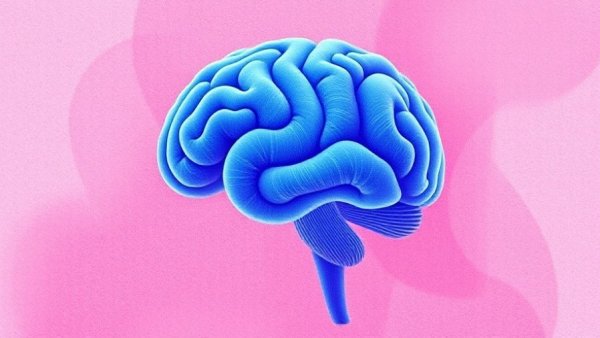
Recent research provides insight into gratitude and its benefits on mental health. Studies reveal how gratitude can enhance our well-being, potentially improving emotional regulation and fostering resilience—qualities essential for athletes and outdoor enthusiasts facing physical and mental challenges. Interestingly, scientists are beginning to understand the physiological effects of gratitude, finding that it can reduce stress hormones and promote positive brain activity. Practices that integrate moments of gratitude can reduce stress and promote recovery, aligning well with athletes' needs for maintaining focus and motivation during competition.
Mindfulness and the Body
The connection between mindfulness practices and physical health is critical, especially for those involved in sports. Alidina’s meditation practices offer a roadmap for understanding the relationship between mindfulness, gratitude, and physical performance. Through guided techniques that allow for conscious acknowledgment of both good and bad experiences, athletes can cultivate mental resilience. This resilience can effectively support their physical pursuits, making mindfulness an essential part of training. Integrating mindfulness into regular workout routines can help athletes manage performance-related anxiety and foster a sense of inner calm that enhances focus during competitions.
Practical Steps to Cultivate Gratitude
Integrating gratitude into your daily routine can be as simple as following these steps. First, set aside a few moments each day to reflect on your feelings. Journaling can be particularly effective; write down both positive experiences and any challenges faced during your day. Next, consciously identify a small, ordinary thing you appreciate—perhaps a successful hike, a moment of camaraderie with teammates, or the beauty of nature surrounding you. Finally, allow yourself to sit with those feelings, both good and bad, recognizing they coexist. This practice not only nurtures emotional health but also fosters a mindset that enhances athletic performance and outdoor experiences.
Gratitude: A Tool for Recovery
For individuals recovering from injuries, feeling gratitude can seem out of reach. It’s easy to focus on limitations and setbacks during recovery processes. However, embracing gratitude doesn’t negate those feelings. Instead, it offers an alternative perspective that can aid in recovery by reminding individuals of their strength, support systems, or any positive outcome, however small. Incorporating gratitude into the recovery process can be a powerful motivator. For example, acknowledging the support of friends and family or celebrating small milestones can be pivotal steps in the healing journey.
Flexibility in Gratitude Practices
When discussing gratitude, it’s important to understand that there is no one-size-fits-all approach. Different methods resonate with different individuals, and flexibility in practicing gratitude can lead to deeper emotional insights. Individuals may try various gratitude exercises, such as gratitude apps, maintaining a gratitude jar, or participating in group mindfulness sessions. Each approach allows them to explore what works best for them, cultivating a personalized practice that can enhance mental clarity and emotional wellness, especially in unpredictable environments like the great outdoors or competitive sports arenas.
In Conclusion: Embrace the Complexity of Emotions
Practicing gratitude is not about forcing happiness; rather, it’s about creating space for the full spectrum of human emotions. Athletes and outdoor enthusiasts can find value in recognizing that feeling down does not have to overshadow moments of joy. Thus, by integrating Shamash Alidina’s approach into everyday life and training, individuals can cultivate a more profound emotional landscape that enhances both their mental and physical well-being. Embracing our emotional complexities can lead to a healthier, more satisfying experience of life, both on the field and on the trail.
To dive deeper into this enlightening perspective on gratitude, consider exploring guided meditations or mindfulness practices that resonate with your experience. Whether through an app, a local workshop, or online courses, these resources can help you build a robust practice that supports your path to emotional strength and resilience.




Write A Comment