
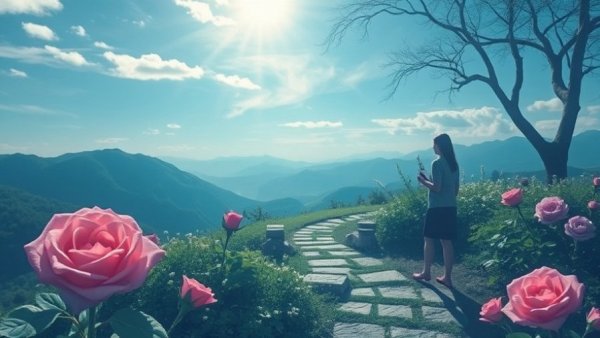
Finding Beauty in Nature: The Importance of Mindfulness
In an age dominated by screens and busyness, it can be easy to overlook the simple wonders of the natural world around us. That’s where a Rosefulness™ WONDER Walk comes into play. This practice invites people, especially children, to slow down and fully immerse themselves in nature. By focusing on a single detail, such as a leaf, flower, or rock, participants can cultivate mindfulness and engage in small acts of care, enhancing their connection to the environment.
Embracing Nature's Lessons Through Simple Acts
While the idea of a WONDER Walk may seem straightforward, its impact is profound. The act of engaging with nature encourages individuals to appreciate the intricacies of life that often go unnoticed in our fast-paced world. Taking the time to notice a blooming flower or the intricate texture of tree bark allows for a unique moment of reflection. Such observations serve as a powerful reminder of our interconnectedness with the natural world, fostering a deeper sense of belonging and responsibility towards the earth.
Moreover, these mindful moments can dramatically change one’s perspective. When individuals pause to examine nature up close, they often find beauty in unexpected places. This could be the vibrant colors of autumn leaves or the detailed patterns on a butterfly's wings. These encounters can inspire us to rethink our relationship with the environment and our role within it, leading to more sustainable practices in our everyday lives.
Practical Ways to Implement Rosefulness™ in Outdoor Activities
Taking a WONDER Walk can seamlessly integrate into various outdoor activities such as hiking, sports, or community events. To implement this practice during your next outing, follow these steps:
- Pause: Choose a natural detail that captures your attention during an outdoor activity. This could be something as simple as a unique rock formation or the sound of rustling leaves.
- Observe: Spend a few moments quietly examining the detail, appreciating its unique beauty and significance within its environment.
- Care: After your observation, consider a small act of care, such as picking up litter from the area, watering a plant, or simply sharing your newfound observations with friends or family members.
By spotlighting a particular element of nature, participants can cultivate awareness and appreciation for their surroundings, which ultimately enhances their overall outdoor experience. This practice not only enriches personal connections to the natural world but also fosters community engagement—encouraging others to join in caring for local ecosystems.
Fitness and Well-being: The Mind-Body Connection in Nature
The connection between physical activity and mental health is well-documented. Engaging in sports or hiking amid nature not only invigorates the body but also soothes the mind. According to research, spending time outdoors reduces stress levels and enhances mood, making practices like the WONDER Walk particularly beneficial for individuals involved in sports. Many athletes have begun to incorporate these mindfulness practices into their routines for improved performance.
By integrating mindfulness into physical activities, participants can deepen their focus and enhance their performance. Engaging in nature-based exercises focuses attention on the immediate environment, thus promoting overall well-being. This practice serves as a reminder to appreciate the journey, not just the destination. As we explore nature through hiking or sports, integrating moments of mindfulness can turn ordinary outings into extraordinary experiences filled with joyful discoveries.
Counterarguments: Exploring Diverse Perspectives on Outdoor Activities
While the benefits of mindfulness in nature are numerous, it’s important to recognize that not everyone feels compelled by traditional outdoor activities. Some individuals may find solace indoors or through virtual engagements. As urban settings become more prevalent, understanding diverse preferences is crucial for fostering inclusion in community wellness initiatives. For some, mindfulness practices can be adapted to suit various environments, ensuring that everyone can access the benefits of a WONDER Walk—whether in a local park, backyard, or even while enjoying a moment of stillness in their homes.
Additionally, the pursuit of outdoor activities can also present challenges. Urban settings often lack easy access to nature, and some may struggle with mobility issues. Recognizing these barriers allows for greater inclusivity and opportunities to design programs that meet various needs. Mindfulness can manifest in many forms, and its principles can guide individuals regardless of their geographical or physical limitations.
A Call to Action: Inviting Change Through Nature
As we embrace the transformative power of nature, let’s commit to incorporating WONDER Walks into our routines. Whether you are leading a youth group, organizing a community hike, or simply exploring the trails with family, take a moment to pause, observe, and care. Movement through nature is not just about physical fitness; it’s about nurturing our souls, and understanding the vital connections we share with the world around us.
So, the next time you step outside, remember: it’s not only about the exercise but also about connecting with the living world around you. This practice shapes our minds, bodies, and communities and fosters a healthier, more compassionate society. Together, let’s celebrate the beauty of our natural surroundings and the joy that comes from engaging with them mindfully.






Write A Comment