

The Struggles of Navigating Grief and Building Resilience
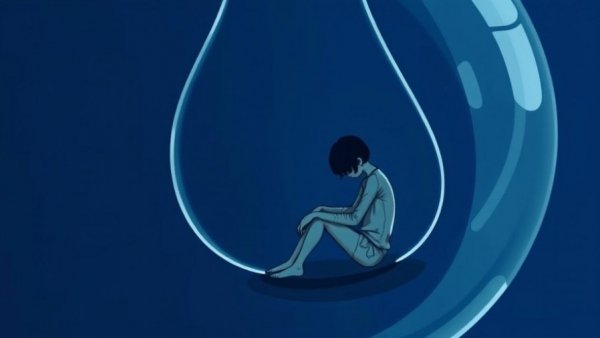
Grief can often feel overwhelming, a beast lurking in the shadows of our consciousness. For athletes, hikers, and individuals involved in sports, the effects of grief can be insidious, often manifesting in performance issues and emotional strain. The poignant story of loss shared by one individual serves as a reminder of the deeply personal nature of grief, illustrating how it can shape our lives in profound ways. Acknowledging this emotional impact is the first step towards healing.
Finding Strength in Vulnerability
After the unexpected death of his fiancée, the narrator chose to toughen up, believing that strength was synonymous with invulnerability. This approach, however, only served to deepen his isolation. In the world of sports, many individuals adopt a similar mindset, pushing through pain and avoiding vulnerability. Yet, much like in grief, ignoring emotional wounds can delay healing and lead to further complications down the road. Acknowledging vulnerability can be a source of strength, giving athletes the courage to share their experiences and forge deeper connections with their peers.
The Value of Small, Mindful Practices
In moments of crisis, it is often the simplest actions that can ground us. The author started rediscovering life through small practices, including mindful walks. For athletes, the concept of engaging in low-stakes activities, devoid of competition or performance pressure, can be transformative. Walking without a purpose not only allows for mental clarity but can also enhance physical performance as individuals learn to reconnect with their bodies and their environment. This practice echoes the principles of mindfulness, which emphasize being present in the moment, a technique that can significantly aid in managing grief and stress.
Gratitude as a Healing Tool
Integrating gratitude into daily routines can change the outlook on grief. While it might seem trivial, taking a moment each day to acknowledge the small joys and victories can help shift perspectives and reduce anxiety. This practice becomes particularly meaningful in the context of hiking and outdoor activities, where nature often provides a serene backdrop for reflection. Whether it's appreciating the way sunlight filters through the trees or enjoying the sound of a river, these moments of gratitude can create a sense of connection to both oneself and the world.
Moving Beyond Pain: Building a Life Worth Living
The story’s narrator spent years accumulating accolades but found that success didn’t equate to fulfillment. Similarly, many athletes tie their identities to their achievements, forgetting the essence of enjoyment in their sports. Whether it’s running a marathon or exploring new hiking trails, reconnecting with the joy of movement can often bring about a profound sense of peace. Finding balance between competition and casual enjoyment helps not only to relieve stress but also to reframe one's relationship with physical activity. This reevaluation allows athletes to rediscover their passion, which is essential in their journey toward healing.
Breaking the Cycle: Addressing Fear and Anxiety
Grief, when unaddressed, can turn into crippling anxiety—a situation all too familiar to those in the sporting realm facing performance pressure. By recognizing and confronting these feelings, individuals can start working through them. Strategies may include engaging in open dialogues about mental health within their teams, where athletes can support one another in their struggles. Seeking help from mental health professionals, finding support groups, or turning to coaches who understand the emotional aspects of athletic performance can pave the way for healing. Normalizing these conversations within sports communities can encourage others to follow suit.
Looking Forward: The Path to Recovery
As the author navigated his journey of healing, he discovered that recovery was not about dramatic change but rather about embracing life in small, manageable ways. This is a vital lesson for those who partake in physical activities. Embracing recovery, whether after an injury or during bouts of emotional turmoil, can foster a mindset focused on resilience and personal growth. Small steps towards self-care—like ensuring adequate rest, nutrition, and social support—are crucial in the healing process. Athletes can also benefit from incorporating restorative practices, such as yoga or meditation, into their routines to further enhance their recovery journey.
Ultimately, the interplay between grief and resilience reveals deep insights for athletes and outdoor enthusiasts alike. By learning to embrace vulnerability, acknowledge pain, and cultivate joy, individuals can create a more enriching experience in both sports and life. Each small step taken towards healing is not just a move away from pain, but also a stride towards a more fulfilled existence.
Realizing that vulnerability does not equate to weakness allows athletes to build both emotional and physical strength. Encouraging a culture that supports emotional expression and connection within sports organizations can foster resilience among not only athletes but also their supporters and families. As they navigate the often turbulent waters of grief and personal struggle, they can emerge as even stronger competitors, bonded by the shared journey of resilience.





Write A Comment