Add Row
Add Element
cropper
update
NC Living Healthy 365
update
Add Element
  • Home
  • Categories
    • Chiropractic Care & Spinal Health
    • Hiking & Outdoor Wellness
    • Sports Injury Prevention & Recovery
    • Holistic Pain Management
    • Mind-Body Connection & Stress Relief
    • Nutritional Support for Recovery & Performance
    • Triangle Local News
April 16.2025
3 Minutes Read

Mastering the 4 Qualities of a Good Listener for Sports and Outdoor Adventures

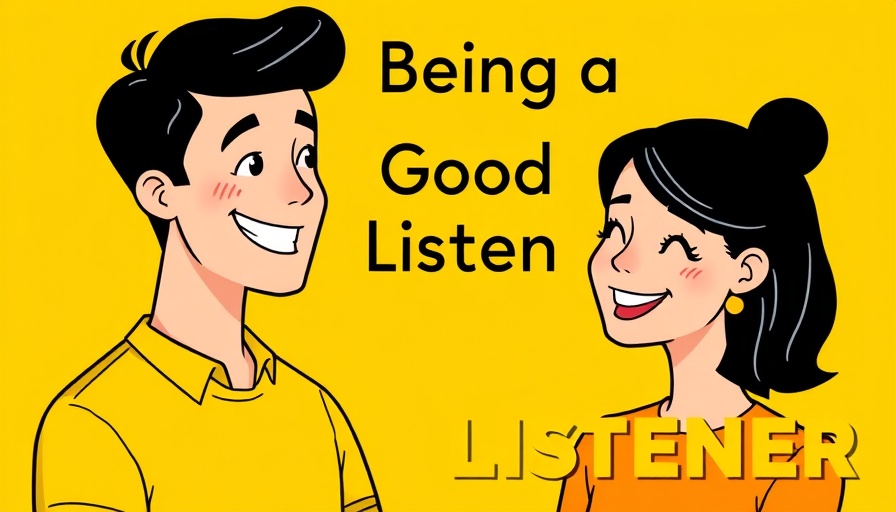
Cartoon illustrating qualities of a good listener.

Unpacking the Art of Listening: Its Importance in Outdoor Activities

Good listening skills are often underrated, yet they play a crucial role in fostering deep connections, especially in communal activities such as sports and hiking. These realms necessitate a strong bond not only through shared experiences but also through understanding and supporting each other emotionally. As we navigate through trails or strive to improve performance on the field, having someone who embodies the qualities of a good listener can transform a workout into a rewarding journey.

1. The Power of Inquiry: "What's on Your Mind?"

A commendable listener embraces the art of inquiry. When engaging in intense physical activities or challenging hikes, individuals often grapple with emotions tied to that experience. A good listener will ask insightful questions like, "What's on your mind?" which encourages the speaker to process their thoughts and feelings. This promotes a deeper emotional connection and strengthens team cohesion.

2. Moving Beyond Small Talk: Finding Deeper Connections

Listeners with acute awareness can dig deeper beyond mere anecdotes. For instance, while discussing a recent hiking trip, sharing what made it unnerving or exhilarating can lead to existential discussions about personal growth and development. Good listeners will help bring larger issues to the forefront, thus affirming a connection that goes beyond the surface.

3. Embracing Vulnerability in Tough Terrain

In activities where physical and mental challenges converge, sharing vulnerabilities becomes vital. A listener who creates a safe environment allows individuals to voice their insecurities without judgment. The reassurance of such a connection facilitates a healthier response to both triumphs and setbacks experienced on the field or during a hike, creating a space for authenticity.

4. Disagreement vs. Criticism: Cultivating a Supportive Space

Not every conversation will end in agreement, but a skilled listener understands how to separate disagreement from criticism. For those involved in team sports or group outings, expressing differing viewpoints without fear of criticism can enhance teamwork. In this way, individuals are encouraged to share their perspectives while simultaneously building a culture of respect and understanding.

Common Misconceptions About Listening

It's easy to assume that good listening is simply a matter of being quiet or nodding along. However, it's much more complex. Listening involves interpreting emotions and thoughts, distinguishing between what is said and what isn't, and engaging actively and supportively in conversations. This approach can often lead to stronger friendships formed through shared experiences in outdoor settings.

The Emotional Side of Listening in Sports and Outdoor Settings

Engaging in outdoor activities often presents emotional highs and lows. From the adrenaline rush of a challenging climb to the stress of a competitive match, the listener's ability to tune into these emotions not only benefits the individual speaker but also the entire group dynamic. Being able to share these feelings enhances motivation and promotes camaraderie in a sports context.

Practical Insights and Tips to Cultivate Active Listening

Practicing active listening skills can be as simple as maintaining eye contact or summarizing what another person has shared. These actions reaffirm the importance of collaboration in team settings and indicate that everyone's voice matters—key elements on the field or trails. To improve listening skills, consider setting aside distractions during discussions—this creates a true space for connection.

Final Thoughts: Building Lasting Bonds Through Effective Listening

As both recreational athletes and casual enthusiasts traverse the physical landscapes of sports and outdoor challenges, cultivating the attributes of a good listener can significantly enrich their experiences. These qualities not only create deeper bonds but foster a sense of community among team members. Take the time to engage with your friends and teammates, and watch how authentic those connections become through effective communication.

Mind-Body Connection & Stress Relief

Write A Comment

*
*
Related Posts All Posts
12.26.2025

Discover the Hidden Truths of Healing Beyond Medicine for Athletes

Update The Depth of Healing: More Than Just Medicine In the world of sports and physical activity, the connection between our bodies and our emotional well-being is often overlooked. As individuals engaged in hiking, running, or team sports, many prioritize physical health—injury prevention, performance improvement, and recovery methods—yet the aspect of healing that digs deeper transcends the physical ailments we face. This article explores the truths about healing that go beyond the boundaries of medical practice, as illustrated by Dr. Rizwan Tai's remarkable journey. Unseen Wounds: The Emotional Narrative As Dr. Tai recounts in his enlightening article, the real challenge is not just addressing physical injuries but also understanding the invisible struggles our bodies often harbor. "Sometimes, the deepest wounds aren't those that we can see," he explains. For instance, the patient with chronic foot ulcers who secretly feared to heal highlighted a poignant truth among athletes and outdoor enthusiasts. These individuals may carry emotional burdens that manifest through physical ailments, often perpetuating their suffering for fear of losing the attention or care that comes from their injuries. Caring for wounds goes beyond conventional medical solutions—it's about seeing the whole person, the story behind the pain, and recognizing that emotional health is deeply intertwined with physical recovery. Rethinking Healing Models: A Holistic Approach The shift towards a holistic view of healing necessitates that we emphasize practices that focus on both emotional and physical health. Drawing from insights in emotional healing research, we learn about mind-body connections which reveal how trauma and emotional strain affect our overall well-being. As noted in Brain Based Counseling, we now comprehend that emotional wounds can alter our physiological states, creating long-lasting effects that traditional medical models often ignore. This understanding leads to an essential question for sport enthusiasts: how do we engage in self-care practices that nurture both our emotional and physical health? Engaging in yoga, mindfulness practices, or simply seeking moments of reflection during outdoor activities can foster a deeper connection with ourselves, promoting the resilience we need to excel, both physically and mentally. The Role of Community in Healing Community engagement plays a pivotal role in healing. For individuals involved in sports or outdoor activities, the camaraderie developed within a team or hiking group contributes significantly to emotional healing and resilience. As Anna Cerra emphasizes in her exploration of spirituality in healthcare, just opening up conversations about emotional struggles can often lighten the burden we carry individually. Community experiences can provide collective strength, facilitating mutual support during challenging times. Such relationships are not simply beneficial but are essential in nurturing a holistic healing environment where athletes feel safe to express their vulnerabilities. Practical Strategies for Emotional and Physical Well-being Combining practical techniques from emotional healing and everyday wellness can considerably optimize recovery and overall performance for sports enthusiasts. Meditation and Mindfulness: Taking a few moments to practice breathing techniques during hikes or runs can ground your mindset and reduce anxiety, enhancing both your experience and performance. Nervous System Regulation: Physical activities such as swimming or dancing can aid in trauma processing by allowing emotions to surface while keeping our bodies active. Connect with Others: Establish deeper connections with teammates through shared experiences and open communication about personal challenges, facilitating a shared pathway toward healing. Engage in Nature: Outdoor activities in natural settings not only improve physical health but also nurture emotional wellness, allowing for a sense of peace and space for self-reflection. Seek Professional Guidance: Don’t hesitate to reach out to mental health professionals who specialize in emotional resilience or trauma, especially after significant life events, sports injuries, or emotional disturbances. Conclusion: The Road Ahead Ultimately, understanding that healing encompasses more than just addressing physical injuries is crucial for anyone involved in sports or outdoor activities. Acknowledging the emotional dimensions of our experiences enriches our overall health and performance. As you step back onto the field or the trail, carry with you the insights that real healing lies in seeing yourself and others, recognizing the value of vulnerability, and understanding that every step on the journey involves both the physical and the emotional. Let this marvel of understanding guide not just your performance but your entire experience as you seek balance in all aspects of life—physical, emotional, and spiritual. Ready to deepen your connection to your emotional health? Explore resources in your community that promote holistic well-being, and remember, your overall health is rooted not just in physical strength but also in emotional resilience.

12.25.2025

Why Listening to Our Aging Parents Could Transform Relationships: A Call to Action

Update Listening to Our Elders: A Vital PracticeMany of us might not realize it, but deep listening is an art that transforms relationships. In a society that prioritizes speed and the latest trends, the voices of elders often fade into the background, their wisdom overlooked in the hustle. The journey of listening to our aging parents, as highlighted by Tony Collins in 'Why I’m Listening to My Aging Mother More Deeply Now,' exposes a world where conversations can preserve legacies and strengthen connections.The Wisdom That Comes With AgeCollins articulates a poignant observation: aging is more than the decline of physical ability; it underscores a profound loss of wisdom. By paying attention to the stories our elders share, we are not just learning about their lives; we are keeping a precious library of experiences alive. Each tale they tell paints a picture of resilience, love, and the complexities of a world different from our own.Active Listening: A Skill Worth CultivatingEffective communication with aging parents is not just a nicety; it is a necessity. According to insights from articles on effective communication, practicing active listening is crucial. This means eliminating distractions, making eye contact, and showing a genuine interest in their stories. It encourages emotional connections that remind them their experiences and feelings are valid. By allowing them the time to express themselves, we foster a nurturing environment that values their voice.Understanding Their PerspectivesIt’s vital to grasp the reasons behind the perspectives of our aging parents. As highlighted in the research conducted by Steven Zarit and Allison Heid, understanding the 'why' behind their opinions can pave the way for smoother communication. This realization can transform potential conflicts into opportunities for deeper connections, diminishing the frustration that often arises due to generational differences.Lessons from My Mother: Practical TakeawaysCollins shares impactful lessons that anyone involved in caregiving can relate to. His time with his mother taught him that love manifests through small actions—simply showing up and being present. This gentle reminder can be applied not only to our aging parents but also to broader social interactions in our lives, emphasizing the importance of presence over perfection.Preserving Memories: Importance of StorytellingStorytelling serves as a bridge between generations. It's about inviting our elders to share snippets of their lives, giving them the space to reflect and reminisce. Simple questions like “What was your happiest memory?” prompt enriching conversations that allow us to collect pearls of wisdom. Collins suggests writing down or recording these memories, preserving them not just for history, but for our hearts.The Cost of Ignoring AgingAs we navigate through life, ignoring the aging process comes at a cost. Each time we dismiss elder voices, we lose a part of our cultural history and wisdom. We shy away from acknowledging our fears surrounding aging and death—two inevitable aspects of life. Collins encourages us to confront these fears, thereby transforming care routines into cherished bonding experiences that celebrate our elders rather than shy away from them.The Role of Empathy in CommunicationDemonstrating empathy while communicating with aging parents is crucial. Validation of their emotions creates a sense of safety and belonging. When they share their feelings about life changes, our role should be to listen and support, rather than fix. This empathetic approach can significantly enhance their well-being and our connection.Take Action: Improve the ConnectionListening deeply truly enriches our relationships. It's a powerful tool for emotional connection, especially as we engage with our aging loved ones. Take a moment today to ask your parent about their most cherished memory and engage fully with the conversation. You'll likely discover wisdom and love woven into their tales, enriching your bond in ways you never expected.

12.24.2025

Breaking Free: How to Combat Generational Trauma in Active Lifestyles

Update Unraveling the Invisible Threads of Generational Patterns Understanding our behavior can sometimes feel like peeling back layers of an onion, revealing emotional patterns that are so ingrained they feel like an intrinsic part of us. As highlighted by personal anecdotes, such as in Mike Palm’s enlightening article, the patterns we exhibit, like anxiety or defensiveness, often stem from those who came before us—not merely through genetics but through learned behaviors. Generational Trauma: The Silent Inheritance Generational trauma is more than just a buzzword; it refers to emotional and psychological effects that are passed down from one generation to the next. Think of it as a virus that embeds itself in family dynamics, shaping how each member interacts with the world. This phenomenon is supported by research, showing that children of anxious parents are significantly more likely to develop anxiety disorders themselves. By recognizing these patterns, such as shared themes of worry and physical symptoms during stress, individuals can better understand the roots of their own behaviors. The Science Behind Emotional Inheritance Studies indicate that generational trauma can be transmitted in multiple ways: biologically, through genetic predisposition; psychologically, through modeling and observation; and environmentally, where anxiety is normalized. This means that a child growing up in a household filled with anxiety or emotional unavailability learns, whether consciously or not, to expect similar interactions in their own life. Practical Steps to Break the Cycle Recognizing inherited anxiety patterns is the first step towards change. One efficient technique involves pattern recognition where individuals examine their reactions to stressors and reflect upon their family dynamics. Once these patterns are acknowledged, simple tools like the 'Breath Reset Technique' can interrupt the cycle. Engaging in mindfulness practices can aid in addressing inherited emotional responses and developing healthier coping strategies. The Role of Communication in Healing An open dialogue is vital in breaking generational trauma. Setting boundaries and communicating emotions with family members can foster an environment conducive to healing. This shift not only serves to benefit current relationships but may also pave the way for healthier interactions in future generations. Emotional Benefits of Recognizing Patterns The journey to breaking emotionally ingrained patterns is one filled with vulnerability, yet it can lead to profound liberation. Embracing this journey means fostering new emotional connections, creating spaces for honest communication, and challenging long-held beliefs that no longer serve us or our families. Why Outdoor Activities Can Alleviate Emotional Strain For those involved in sports or outdoor activities, engaging with nature can provide significant mental health benefits. Outdoor wellness practices allow individuals to release pent-up anxiety, reconnect with their bodies, and restore emotional equilibrium. Just as patterns are learned, so too can new, positive behaviors be cultivated in nature's calm environment. Conclusion: Take the First Step Towards Freedom Breaking free from the cycles of emotional patterns that you didn’t choose starts with courage. Equip yourself with knowledge and supportive strategies to overcome inherited anxiety and nurture a healthier path for both yourself and future generations. Remember: awareness is the first step towards growth.

Terms of Service

Privacy Policy

Core Modal Title

Sorry, no results found

You Might Find These Articles Interesting

T
Please Check Your Email
We Will Be Following Up Shortly
*
*
*