Add Row
Add Element
cropper
update
NC Living Healthy 365
update
Add Element
  • Home
  • Categories
    • Triangle Local News
    • Mind-Body Connection & Stress Relief
    • Chiropractic Care & Spinal Health
    • Hiking & Outdoor Wellness
    • Sports Injury Prevention & Recovery
    • Holistic Pain Management
    • Nutritional Support for Recovery & Performance
March 20.2025
3 Minutes Read

Unlock Better Mobility: Overcome the Issue of Tight Hamstrings

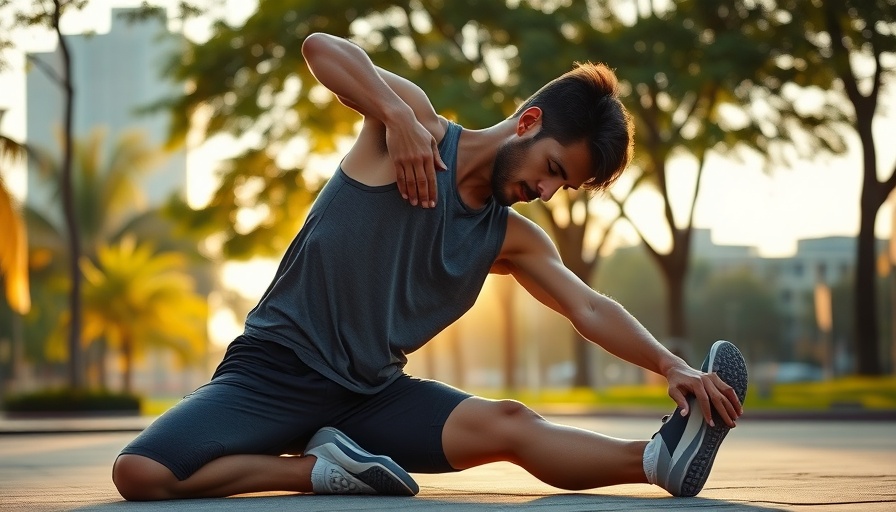
Young man stretching hamstrings in park, highlighting impact of tight hamstrings.

Understanding the Importance of Hamstring Health

Are tight hamstrings holding you back from reaching your fitness goals? If you’re experiencing discomfort and limited flexibility due to tight hamstrings, you’re not alone. These muscles are not just critical for athletes; they play a vital role for anyone involved in physical activity, from casual hikers to dedicated fitness enthusiasts. By addressing tight hamstrings, you can significantly improve both performance and comfort in your active lifestyle.

The Role of Hamstrings in Your Body

The hamstrings comprise a group of muscles at the back of the thigh essential for movement, posture, and overall lower body strength. These muscles assist in bending the knee, extending the hip, and stabilizing the pelvis. When hamstring muscles are tight, they not only restrict movement but can also lead to discomfort, pain, and increased injury risk. Understanding this muscle group’s function is the first step toward improving your physical health.

Common Causes of Tight Hamstrings

Tight hamstrings are prevalent among individuals of all fitness levels for various reasons:

  • Overuse and Repetitive Movements: Engaging in activities like running, cycling, or weightlifting often leads to muscle tightness over time. Repetitive strains can create a cycle of discomfort that hampers overall performance.
  • Muscle Imbalances: Weakness in the hamstrings compared to opposing muscle groups, such as the quadriceps, can lead to tightness. Imbalances commonly stem from poor muscle coordination and require attention to correct.
  • Inadequate Warm-Up and Cool-Down: Skipping proper warm-ups or cooldowns increases the likelihood of experiencing tightness. It’s essential to prepare your muscles before physical exertion and to help them recover afterward.
  • Poor Posture and Alignment: Issues like excessive lower back rounding or pelvic tilt can create tension in the hamstrings. Correcting your posture can help alleviate tightness and improve flexibility.
  • Sedentary Lifestyle: Prolonged sitting shortens the hamstrings and reduces flexibility. A more active lifestyle can help counteract these effects.

The Impact of Tight Hamstrings on Your Fitness Journey

Individuals often dismiss tight hamstrings as a minor issue, but they can significantly impact overall athletic performance. Limited range of motion in the hamstrings affects gait, stability, and even power output. This can result in inefficient movement patterns that may lead to compensatory injuries in other areas of the body, such as the lower back or knees.

Real-Life Anecdotes: Overcoming Tight Hamstrings

Many athletes and casual fitness enthusiasts have found themselves struggling with tight hamstrings. One cyclist, Jordan, shared how he avoided stretching for years, which ultimately limited his performance. However, by incorporating a comprehensive mobility routine focused on hamstring flexibility, he not only improved his cycling speed but also enhanced his overall enjoyment of the sport. Stories like Jordan’s demonstrate the crucial transformation that can come from addressing muscle tightness.

Practical Strategies to Alleviate Tight Hamstrings

Here are some practical tips to help overcome tight hamstrings:

  • Regular Stretching: Incorporate hamstring stretches into your routine. Hold stretches for 20-30 seconds, and make sure to perform them consistently.
  • Strengthening Exercises: Focus on exercises that promote strength in both the hamstrings and their opposing muscle groups, like the quadriceps.
  • Warm-Up and Cool Down: Ensure proper warm-up and cool-down protocols are in place to prepare the muscles for activity and aid in recovery.
  • Posture Correction: Engage in exercises that promote good posture and alignment, thereby reducing tension in the hamstrings.
  • Seek Professional Help: Don’t hesitate to consult a physical therapist or a trained coach who can help identify specific issues related to tight hamstrings.

Future Insights: The Importance of Awareness and Proactivity

As we advance in our understanding of muscle health, it’s crucial to emphasize the importance of awareness and proactive measures. The fitness community is gradually realizing that taking care of muscles like the hamstrings is integral to long-term wellness. Avoiding tightness isn't just about immediate comfort—it's about sustaining performance, achieving fitness goals, and preventing injuries well into the future.

Conclusion: Take Action for Your Mobility

Addressing tight hamstrings is a pivotal step towards enhancing your fitness and overall health. By implementing consistent stretching, strengthening, and mindful movement practices, you can significantly improve your flexibility and mobility, paving the way for a more enjoyable and productive active lifestyle. So, don't let tight hamstrings hinder your fitness journey—take the first step today!

Holistic Pain Management

0 Comments

Write A Comment

*
*
Please complete the captcha to submit your comment.
Related Posts All Posts
03.13.2026

Unlocking the Power of Sports Therapy: Insights from 25 Years of Experience

Update The Journey of Sports Therapy: A 25-Year Reflection Celebrating a quarter-century in sports therapy offers a unique opportunity to reflect on the evolution of this dynamic field and its significance in promoting athletic health across all age groups. Whether you’re a seasoned competitor or someone who enjoys a leisurely hike, understanding the tools and techniques that have emerged over the years can empower you to approach your physical activities with confidence and care. Embracing New Developments in Sports Medicine As we explore the domain of sports therapy, we can’t overlook the rapid advancements in sports medicine. The emergence of individualized treatment plans, highlighted in various reports, signifies a shift from traditional methods to personalized recovery strategies. Technologies such as regenerative therapies—particularly PRP (Platelet-Rich Plasma) and ozone therapy—are now instrumental in not just treating injuries but enhancing overall sports performance. For instance, advanced regenerative treatments address critical injuries and conditions like chronic tendinopathies, directly stimulating the body’s natural healing mechanisms. This increased focus on recovery and performance optimization is a game-changer for enthusiastic individuals keen on maintaining their active lifestyles. Wearable Technology: The Future is Now The integration of wearable technology has enabled athletes to track their performance through real-time data. In 2025, devices equipped with AI help detect early signs of overuse or imbalance, effectively preventing injuries before they occur. This trend in proactive healthcare is crucial for both competitive athletes and amateur sports enthusiasts. By providing insights into movement patterns and physiological responses, these devices help athletes optimize their training regimens. The Mental Component: Addressing Interior Dynamics Perhaps less tangible but equally vital is the connection between physical well-being and mental health. Engaging in sports can be a fulfilling avenue for stress relief, enhancing mood and fostering social connections. This holistic perspective emphasizes the interplay between body and mind, suggesting that improving mental resilience can lead to better athletic performance. Additionally, nurturing this mind-body connection can mitigate stress and improve focus during both training and competition, making sports therapy invaluable for mental health support. A Community Built on Support and Recovery For many, sports therapy is not merely about physical healing; it’s a communal effort, fostering connections between healthcare providers, athletes, and the larger community. This support is increasingly critical, especially amid the aftermath of the pandemic, as many are returning to sports activities after prolonged periods of inactivity. Practitioners today recognize that building relationships with patients creates an environment conducive to healing and motivation—a vital aspect of recovery that often goes unspoken. Action Steps and Practical Tips for Athletes So, what can you do to harness the benefits of modern sports therapy in your own life? Here are a few actionable insights: Stay Educated: Keep up with the latest trends in sports medicine by engaging in workshops and reading reputable sources. Invest in Recovery: Explore options like PRP and other regenerative therapies with your practitioner, ensuring you’re utilizing the best methods for injury recovery. Utilize Technology: Consider incorporating wearable tech into your routine to better monitor your health and performance. Mental Health Matters: Don’t hesitate to seek support for mental wellness; combine physical training with strategies that bolster your psychological resilience. Build Community: Join local sports groups or forums to share experiences, get advice, and be part of a supportive network. By taking these steps, you’ll position yourself not just as an athlete, but as an empowered individual committed to lifelong health and wellness. Conclusion: A Call to Action As you reflect on your journey within sports, consider how these advancements in sports therapy can enhance your experience. Whether through technological aids, community support, or innovative recovery strategies, there’s a wealth of resources available to support your athletic endeavors. Embrace these opportunities to ensure that you stay active, engaged, and healthy in whatever pursuits you choose. Take the leap—let's work together towards not just recovery, but thriving in your athletic journey!

03.20.2025

How CoQ10 Can Help Manage Statin Side Effects for Active Lifestyles

Update Understanding CoQ10: Nature’s Energy Booster CoQ10, or coenzyme Q10, is a powerhouse compound naturally present in every human cell. Its primary job is to support energy production, helping our cells function efficiently, which is especially vital for high-energy organs like the heart, liver, kidneys, and pancreas. In addition to its energy-production capabilities, CoQ10 also plays a critical role in our body's antioxidant defense system, helping to ward off free radicals that can cause cellular damage. The Versatility of CoQ10 in Health Aside from its natural occurrence in the body, CoQ10 is available as a dietary supplement. It is often utilized in the management of various medical conditions, including heart disease, high blood pressure, and even neurodegenerative diseases like Parkinson's. Recent studies have highlighted potential benefits beyond these, suggesting that CoQ10 may enhance exercise performance and mitigate the common side effects associated with statin medications. Statins and Their Adverse Effects on CoQ10 Levels Statins are widely prescribed to lower cholesterol and reduce the risk of heart disease. While effective, these medications can carry side effects that range from mild discomfort to severe muscle pain and weakness. This is where CoQ10 makes its entrance. Statins inhibit an enzyme known as HMG-CoA reductase, pivotal for cholesterol synthesis in the liver, but this same enzyme also contributes to CoQ10 production. Why Supplement With CoQ10? Exploring the Benefits Research suggests that taking CoQ10 supplements alongside statins can be beneficial. Supplementation may help restore CoQ10 levels in the body, which can be crucial for individuals experiencing muscle discomfort due to statin use. By doing so, CoQ10 may protect muscle fibers from oxidative stress and inflammation, leading to improved energy production in the muscles. This may translate to reduced fatigue and weakness, allowing individuals to stay active and involved in sports or outdoor activities. A Suggested Path for Athletes on Statins If you’re an athlete or someone who enjoys hiking and other outdoor activities, and you are taking statins, consulting with a healthcare professional is essential before starting any supplement regimen. These professionals can recommend appropriate doses of CoQ10 and monitor your health to avoid interactions with your medications. Making Informed Choices While CoQ10 is generally considered safe for most people, it's important to be vigilant about potential interactions, particularly with blood thinners and certain other medications. Furthermore, high doses can lead to gastrointestinal discomfort. Therefore, a medically supervised approach is recommended to ensure you’re navigating your health journey safely and effectively. Embracing a Holistic Approach to Health Incorporating CoQ10 into your supplement routine aligns with a broader trend of holistic and proactive health management. Adopting a well-rounded approach that includes proper nutrition, regular exercise, and mental wellness practices can significantly enhance your overall well-being. For those engaged in physically demanding activities, having an adequate energy supply is crucial, and CoQ10 can be a valuable ally. Consultation: Your Next Step Are you curious about whether CoQ10 is right for you? Discussing your options with a healthcare provider can help tailor the best course of action for your health needs and lifestyle. With the right guidance, you can harness the potential of CoQ10 to not only enjoy sports and outdoor activities more but to do so without discomfort associated with statin use. Conclusion: Take Charge of Your Health Understanding CoQ10's role in your body and its interaction with statin medications empowers you to make informed decisions regarding your health. Don't let muscle pain and weakness from statin side effects hold you back from an active lifestyle. Consider exploring CoQ10 supplementation and consult a healthcare professional to find the right balance for your specific needs. Schedule an appointment today to see if CoQ10 could support your health goals!

03.20.2025

How Acupuncture for Pain Relief Can Enhance Your Sports Experience

Update Unlocking the Power of Acupuncture for Pain Relief In today’s fast-paced world, individuals engaged in sports and outdoor activities often seek natural solutions for pain management. Acupuncture, a time-honored practice rooted in Traditional Chinese Medicine, has emerged as a powerful ally in alleviating pain and promoting holistic wellness. This ancient technique involves inserting thin needles into specific points on the body to stimulate energy flow, known as "qi," and restore balance. But what makes acupuncture particularly appealing is its potential to address a wide variety of ailments without the side effects commonly associated with pharmacological treatments. Understanding the Mind-Body Connection in Pain Management When we talk about pain relief, it’s essential to recognize the profound connection between our minds and bodies. Stress, anxiety, and emotional turmoil can exacerbate physical pain. For many outdoor enthusiasts, the joy of hiking or engaging in sports can be diminished by such discomfort. Acupuncture not only aims to relieve physical symptoms but also addresses underlying emotional issues. By promoting relaxation and reducing stress through targeted stimulation, acupuncture can help individuals reclaim their passion for outdoor activities. Acupuncture Technique: How It Works During an acupuncture session, practitioners assess the individual’s specific needs, often incorporating other techniques such as cupping or herbal therapy to further enhance healing. Common points targeted include those that alleviate tension, enhance circulation, and promote healing processes. Research indicates that acupuncture can trigger the release of endorphins, the body's natural painkillers, leading to long-lasting relief. Furthermore, it can aid in decreasing inflammation, which is often a byproduct of intense physical activities. Actionable Insights: Maximizing Acupuncture Benefits for Active Lifestyles For those involved in sports or outdoor adventures, integrating acupuncture into your routine can yield significant benefits. Schedule regular sessions, especially before or after strenuous activities, to ensure your body is prepared to perform at its best. Additionally, maintaining open communication with your acupuncturist about your specific needs and any recurring injuries can ensure tailored treatments that delve deeper into your pain points, literally and figuratively! Debunking Common Misconceptions About Acupuncture One of the prevalent myths surrounding acupuncture is the fear of pain associated with needles. In reality, most people report feeling relaxed during sessions, often describing the sensation as minimal or even pleasant. It’s also crucial to differentiate between acupuncture and dry needling, which is often confused with it. While both utilize needles, acupuncture is more holistic, focusing on energy pathways rather than just muscle knots. Inspiring Success Stories: Real-Life Impact of Acupuncture Many athletes have publicly endorsed acupuncture as a fundamental component of their recovery and wellness plans. For example, elite runners and cyclists have credited acupuncture with reducing their recovery time and helping to manage chronic pain from longstanding injuries. Personal anecdotes from outdoor enthusiasts who have embraced acupuncture reveal its transformative power in enhancing their overall quality of life—promoting not just relief from pain but a renewed enthusiasm for the activities they love. Looking Ahead: The Future of Acupuncture in Holistic Health The increasing acceptance of acupuncture in mainstream health circles signals a shift towards holistic pain management approaches. As the stigma surrounding alternative medicine fades, more individuals are expected to explore acupuncture as a viable option for pain relief. Collaborative efforts between acupuncturists and conventional healthcare providers can pave the way for integrative health solutions that prioritize patient autonomy and self-care. In conclusion, embracing acupuncture as a part of your wellness routine is not just a treatment strategy; it’s an invitation to explore a holistic approach to pain management that harmonizes mind and body. For those who love the thrill of sports, hiking, and outdoor activities, acupuncture offers a natural and effective pathway to sustained pain relief and overall well-being. Are you ready to experience the transformative power of acupuncture? Explore your local options today and take the first step towards a more resilient, pain-free lifestyle!

Terms of Service

Privacy Policy

Core Modal Title

Sorry, no results found

You Might Find These Articles Interesting

T
Please Check Your Email
We Will Be Following Up Shortly
*
*
*