Add Row
Add Element
cropper
update
NC Living Healthy 365
update
Add Element
  • Home
  • Categories
    • Chiropractic Care & Spinal Health
    • Hiking & Outdoor Wellness
    • Sports Injury Prevention & Recovery
    • Holistic Pain Management
    • Mind-Body Connection & Stress Relief
    • Nutritional Support for Recovery & Performance
    • Triangle Local News
March 18.2025
3 Minutes Read

Unlocking Recovery: Explore How Shockwave Therapy Benefits Athletes

What is Shockwave Therapy-is it what you need?

Understanding Shockwave Therapy: A Promising Solution for Pain Relief

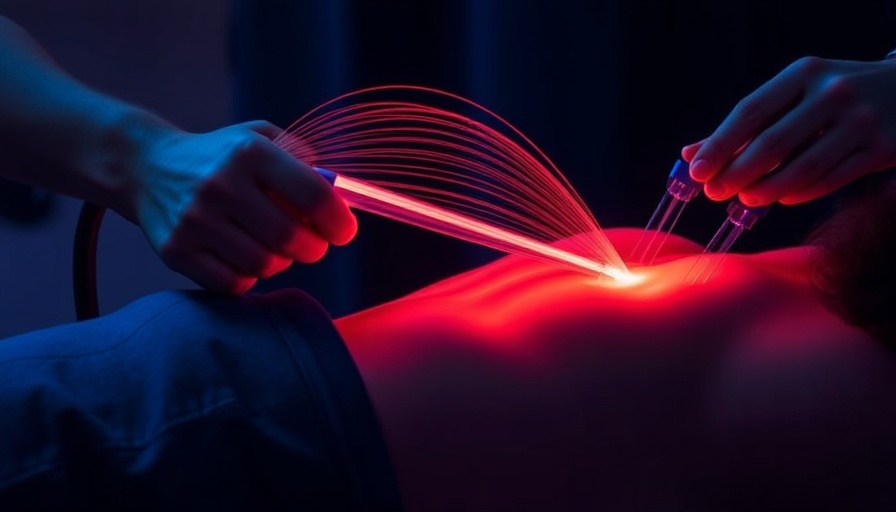
In recent years, Radial Shockwave Therapy (RSWT) has gained attention among athletes and active individuals searching for effective pain relief and recovery solutions. This non-invasive treatment utilizes high-energy shockwaves to stimulate healing in damaged tissues and is recognized for its ability to address a range of musculoskeletal conditions.

How Does Radial Shockwave Therapy Work?

Radial Shockwave Therapy operates by emitting pressure waves via a specialized handheld device. These waves penetrate through soft tissue, creating microtrauma within the injury site. This process triggers the body's innate healing mechanisms, enhancing blood flow and accelerating the production of growth factors that facilitate tissue regeneration. The design of the therapy allows it to break down existing scar tissue and reduce inflammation, which is vital in chronic conditions.

Conditions Treated by RSWT

Radial Shockwave Therapy is beneficial for a variety of injuries, including:

  • Plantar fasciitis and other foot-related issues
  • Tennis elbow and other elbow injuries
  • Shoulder problems like rotator cuff tendonitis
  • Knee issues, including patellar tendonitis
  • Chronic neck and back pain
  • Hip and gluteal pain
  • Achilles tendonitis

These injuries can significantly hamper an active lifestyle, making effective treatment essential for recovery.

What the Research Says: Effectiveness and Outcomes

According to a multitude of studies, RSWT demonstrates substantial efficacy in treating musculoskeletal conditions. Research published in various medical journals indicates success rates approaching 80% for certain conditions, such as calcific tendonitis. Patients often experience significant pain reduction and improved functionality after just a few sessions, with many beginning to feel effects almost immediately.

In contrast to traditional treatments like physical therapy, which may require numerous sessions over a prolonged period, RSWT generally necessitates only three to six treatments, each lasting around five minutes. This efficiency saves both time and money, positioning RSWT as a desirable option for busy individuals.

What Should You Expect from Your RSWT Experience?

Many people inquire about the discomfort associated with RSWT. Although some describe the sensation as painful, most report it as manageable—akin to a strong tapping or pressure without significant discomfort. It’s essential to communicate with your therapist about your pain tolerance to adjust the intensity of the treatment accordingly.

After treatment, mild soreness may occur, similar to the feeling experienced after strenuous exercise. This is generally a positive indicator that your body is responding to the therapy.

Cost-Effectiveness Compared to Traditional Treatments

RSWT stands out financially when compared to conventional therapies. In many instances, it is less expensive overall when considering the out-of-pocket costs associated with physical therapy. Patients often complete RSWT in fewer sessions, which may lead to substantial savings for those addressing chronic pain or injuries.

Unique Benefits of Radial Shockwave Therapy

The advantages of RSWT extend beyond mere pain relief:

  • Non-Invasive: RSWT requires no incisions, significantly minimizing recovery time and risk of infection.
  • Rapid Recovery: Athletes benefit from the swift return to activity, as RSWT treatments allow them to resume normal activities soon after each session.
  • Comprehensive Treatment: RSWT is not a standalone therapy; for optimal results, it's typically used alongside other treatments, like physical therapy or rehabilitation routines.

The Future of Pain Management and Recovery

In a world that increasingly values non-invasive treatment methods, RSWT shines as a viable option for those dealing with persistent pain or sports injuries. As research develops, the potential applications of shockwave therapy could expand, providing further benefits to patients seeking effective recovery solutions.

Conclusion

In summary, Radial Shockwave Therapy represents a promising, innovative approach to pain relief and recovery for various musculoskeletal conditions. Athletes, fitness enthusiasts, and active individuals should consider consulting with a healthcare provider to explore whether RSWT may be an appropriate option for their specific injuries.

If you're ready to take the next step towards a pain-free lifestyle, consult with a qualified health professional to discuss RSWT and its potential benefits for your recovery.

Sports Injury Prevention & Recovery

Write A Comment

*
*
Related Posts All Posts
12.11.2025

Boost Your Marathon Training: Key Tips for Injury Prevention and Performance

Update Empower Your Run: Essential Tips for Injury Prevention As the allure of marathon running beckons, it's crucial to understand the journey toward that finish line is one that requires preparation, patience, and a keen awareness of your body's signals. Injury prevention is key, and with thoughtful strategies, even the most ambitious runners can mitigate the risk of setbacks. Here, we share vital tips to get you race-ready while keeping injuries at bay. Understand the Pace: The 10% Rule New to running or ramping up your distance? The 10% Rule is your best friend. This guideline suggests increasing your mileage by no more than 10% each week. It may sound conservative, but it’s a tried-and-true approach to protect your body from overuse injuries, which are all too common in ambitious runners. Start by running shorter distances consistently before tackling longer races, keeping your body adaptable and resilient. The Importance of a Tailored Training Plan Every runner is unique, and your training plan should reflect that. Many resources offer customizable marathon training plans based on your current fitness level. Plans typically range over 20-24 weeks, providing ample time to prepare your body for the challenge. Remember, it’s essential to include rest periods and cross-training to prevent burnout. Nourishing Your Body: Fueling for Success Nutrition plays an instrumental role in your performance. Rather than indulging in excessive comforts, focus on wholesome, balanced meals that fuel your runs. Integrate carbs and proteins into your post-run diet for optimal recovery. Strategies like practicing race-day nutrition during your training runs can prevent unexpected gastrointestinal issues that might derail your performance on race day. Staying Hydrated Without Overdoing It Water is essential, but moderation is crucial. The latest advice is to drink based on thirst, preventing the risks associated with over-hydration. This principle aligns with the formation of a race-day hydration strategy that you can train for. Remember, a little thirst at the end of the race isn’t necessarily a bad thing—many top athletes finish their events with slight dehydration. Cultivating Recovery: The Art of Rest In the race to the finish line, remember to give your body the rest it deserves. Building rest days into your training schedule prevents injuries and burnout. Even the most dedicated runners should embrace calming moments of recovery, utilizing them to boost performance and keep motivation levels high. Follow a taper plan leading into race day to ensure that your body is well-rested when it counts. Footwear: Your Foundation for Success Have you invested time in selecting the right pair of running shoes? Your footwear choice is critical—it influences your performance and helps prevent injuries. Visit specialty running stores to find a well-fitted pair, ideally one size larger to accommodate foot swelling during long distances. Most running shoes have a lifespan of 300-500 miles, so be vigilant about replacements to keep your feet healthy. Strength Training: Building Resilience Incorporating strength training into your routine enhances your running efficiency and wards off common injuries. Core stability and lower body strength should be a priority, along with balance exercises that fortify the muscles supporting your hips and knees. Aim for two weekly strength sessions, progressing as your body adapts to avoid excess strain. Listen to Your Body: Know When to Push or Rest Understanding the difference between a minor ache and a serious injury is crucial for any runner. While discomfort is often part of the process, persistent pain warrants attention. Ignoring signs of injury can extend your recovery time significantly. Stay attuned to your body’s signals to differentiate when you can push through discomfort versus when it’s time to seek help. Mindset Matters: Enjoying the Journey Amidst the training regimen, remember to appreciate the journey. Running is about more than performance; it’s about discovering your inner strength and resilience. Celebrate the small milestones—each stride and each run brings you closer to your racing goals. Incorporating these insights into your training strategy can enhance your running experience, reduce the chances of injury, and keep you on track toward your marathon aspirations. Whether you're a beginner or a seasoned runner, remember: preparation is crucial, but enjoying the process is what truly makes running rewarding. As you lace up for your next run, consider these tips to enhance both your performance and enjoyment along the way. Join the community of runners who prioritize not only their goals but their wellness in every mile they conquer!

12.03.2025

Cold Weather Sports Injuries: Prevention, Causes, and Treatments

Update The Risk of Injury in Cold Weather SportsAs the temperatures drop, the thrill of winter sports is often accompanied by a significant increase in the risk of injuries. Colder conditions can lead to muscle stiffness, reduced flexibility, and heightened incidents of falls. A recent study indicates that approximately 30 million individuals in the U.S. engage in winter sports, such as skiing and snowboarding, each season, with a noteworthy occurrence of injuries reported—1.23 injuries per 100,000 participants among skiers and 1.22 among snowboarders. These statistics emphasize the need for awareness and preparation to minimize risks during winter sports.Understanding Cold Weather InjuriesWinter sports, while exhilarating, pose unique injury risks due to several physical factors. The cold weather can lead to various musculoskeletal injuries ranging from sprains and strains to fractures and ligament tears. When temperatures dip, muscles respond by tightening, which can inhibit flexibility and functional movement. Accompanying the physical risk factors are environmental elements, with snow and ice presenting slippery surfaces that can lead to mishaps. Athletes are particularly vulnerable when they overexert themselves, skip warm-ups, or attempt new techniques in challenging conditions, leading to setbacks in performance and potential long-term health issues.Prevention Strategies: Keeping Athletes SafePreventing injuries in winter sports requires a multifaceted approach. One effective strategy is incorporating proper warm-ups, such as dynamic stretching and light aerobics, to boost circulation and prepare muscles for action. Moreover, athletes should dress appropriately for cold weather, utilizing layered clothing and hindered their body's temperature effectively. Hydration is also vital, as colder climates can mask feelings of thirst, leading athletes to overlook fluid intake and subsequently fall susceptible to dehydration. Additionally, education on safely navigating potentially icy terrains and managing fatigue can greatly reduce the risk of injury.The Most Common Cold Weather Sports InjuriesAmong the injuries frequently reported in cold weather sports, wrist injuries are notably common in snowboarding, while skiers often experience greater incidences of knee-related injuries, particularly anterior cruciate ligament (ACL) tears. Recognizing these patterns can inform athletes about which areas require greater focus during training and injury prevention preparations. For young and inexperienced participants, special consideration should be taken, as they may lack the same level of physical coordination and risk assessment that more seasoned athletes possess, leading them to be more susceptible to injuries.Treatment and Recovery: Prompt Action is KeyWhen injuries do occur, responding swiftly is crucial for a successful recovery. Most light musculoskeletal injuries can be managed non-operatively, which may include rest, ice, compression, and elevation (RICE) techniques. However, more serious injuries may necessitate advanced medical interventions, including arthroscopy or orthobiologics like Platelet-Rich Plasma (PRP) therapy. These modern medical treatments can help speed up healing and strengthen damaged areas to facilitate an athlete's return to the sport.Future Trends in Injury PreventionLooking ahead, advancements in personal protective equipment and heightening safety awareness among winter sport participants are expected to further reduce injury rates. Training young athletes on safe practices—emphasizing techniques such as proper fall mechanics and equipment use—may ensure safer participation across all age groups.The Psychological Aspect of Cold-Weather SportsFinally, let's not overlook the mental health component of engaging in winter sports. Athletes should be informed about the benefits of maintaining a positive mindset while approaching winter activities, understanding both the enjoyment and the risks involved. Community support and peer encouragement can also play a vital role in sustaining confidence and resilience during the winter season.In conclusion, as sports enthusiasts hit the slopes and trails this winter, integrating preventative strategies, understanding injury risks, and being proactive about treatment can help maintain a healthy and enjoyable sports experience. So whether you’re a skier, snowboarder, or simply love outdoor activities, equip yourself with knowledge and take the necessary steps to enjoy winter sports safely.

09.24.2025

Is Elbow Pain Holding You Back? Discover Solutions to Tennis and Golfer's Elbow

Update Understanding Elbow Pain: The Hidden Costs of Overuse Many active individuals are familiar with terms like 'tennis elbow' and 'golfer’s elbow,' but few truly understand the implications of these conditions. Both terms describe types of epicondylitis, an inflammation of the tendons that attach to the elbow joint, but they impact different sides of the elbow. Recognizing these conditions is crucial for anyone passionate about sports, hiking, or repetitive physical activities. What Are Tennis Elbow and Golfer’s Elbow? Tennis elbow, or lateral epicondylitis, occurs when the tendons on the outer side of the elbow become inflamed, causing pain that can radiate down the forearm. Symptoms may include: Pain extending from the outside of the elbow down to the wrist. Tenderness on the outer elbow. Weakness in gripping or lifting objects. Discomfort during activities like playing tennis or lifting. In contrast, golfer’s elbow targets the inside of the elbow, leading to issues such as: Pain and tenderness on the inner side of the elbow. Radiating pain down the arm. Numbness or tingling in certain fingers. Discomfort when gripping or twisting objects, especially similar to a golf swing. Both conditions result from repetitive arm and wrist movements, common in daily life. Activities such as gardening, cooking, and playing sports can exacerbate the symptoms significantly. The Warning Signs: Don’t Let Pain Become a Habit Ignoring the initial signs of elbow pain can lead to chronic issues, impacting your performance in sports or daily activities. Many individuals do not seek help until the pain becomes unbearable. However, early intervention through physical therapy can significantly reduce recovery times and prevent future complications. Physical Therapy: A Pathway to Recovery Physical therapy is a proactive approach for managing conditions like tennis and golfer's elbow. Treatments often include: Stretching and Strengthening Exercises: These exercises help restore function and strength while alleviating pain. Personalized programs may focus on the wrist, forearm, and elbow joints to ensure comprehensive recovery. Ice Therapy: Application of ice can reduce inflammation and numb pain, providing relief, especially after activities that trigger symptoms. Manual Therapy: Hands-on techniques to mobilize tissues and improve circulation can support healing. Education on Body Mechanics: Learning proper techniques during sports or daily activities can prevent re-injury. The Long-Term Benefits of Addressing Elbow Pain Understanding and addressing the source of elbow pain can lead to numerous benefits: Improved Functionality: Overcoming pain means returning to favorite activities with full mobility and strength. Enhanced Performance: For athletes, optimizing how you use your arms and wrists can lead to better performance in your sport. Prevention of Future Issues: Early treatment decreases the risk of persistent pain and more severe injuries down the line. Conclusion: Take Control of Your Health If you experience symptoms of elbow pain, it’s time to take action. Waiting could lead to more severe conditions that keep you from enjoying your favorite activities. If symptoms persist, consider reaching out to professionals for help. By addressing elbow pain early, you pave the way for a pain-free, active lifestyle. Don't hesitate to CALL OUR OFFICE TODAY at 703-450-4300 to schedule your evaluation!

Terms of Service

Privacy Policy

Core Modal Title

Sorry, no results found

You Might Find These Articles Interesting

T
Please Check Your Email
We Will Be Following Up Shortly
*
*
*