

NC Living Healthy 365
  • Home
  • Categories
    • Triangle Local News
    • Mind-Body Connection & Stress Relief
    • Chiropractic Care & Spinal Health
    • Hiking & Outdoor Wellness
    • Sports Injury Prevention & Recovery
    • Holistic Pain Management
    • Nutritional Support for Recovery & Performance
November 13.2026
4 Minutes Read

How Mindfulness and Outdoor Activities Can Diminish Health Worry

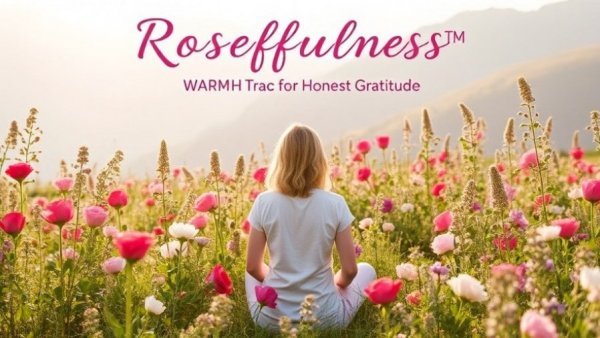
Artistic representation of mindfulness in managing health through serene illustration

How Our Mind Shapes Our Experience of Pain

In the face of chronic illness, such as the autoimmune condition that affected my life, we often find ourselves trapped in a spiraling cycle of worry and anxiety. Our mind’s preoccupation with the past and future can amplify our suffering, suggesting it’s not the illness itself, but how we relate to it that can determine the weight of our emotional burdens. The insightful words of Seneca remind us that we are often more hindered by our fears than the actual sensations we experience. Understanding this relationship provides a pathway to managing not just our pain, but how we engage with the world despite it.

Learning to Ground Myself in the Present

A major breakthrough in my journey emerged from a practice centered on attentiveness. Instead of grappling with complex thoughts about my condition, I learned to ask a simple yet powerful question: 'Where is my attention right now?' This mindfulness practice urged me to focus on the present rather than succumbing to fears about my illness. Athletic pursuits like hiking and sports can integrate this lesson seamlessly, as they often demand our present awareness and help anchor us away from unhealthy rumination. By consciously redirecting my focus, I found that I could actively participate in my life, rather than letting worry dictate my experiences.

The Role of Outdoor Activities in Recovery

Engaging with nature through hiking or outdoor sports can serve as an effective therapeutic outlet. Physical activity releases endorphins that enhance mood and create mental resilience. Research supports this, indicating that individuals who incorporate regular exercise report lower levels of anxiety and stress. For those of us battling chronic pain, this means that immersing ourselves in activities outdoors might not just enhance physical health but also alleviate mental burdens related to our conditions. Furthermore, outdoor environments often offer a sense of peace and perspective that indoor settings can lack. The sights and sounds of nature can distract us from our worries, allowing for mental clarity and emotional relief.

Shifting Perspectives: From Burden to Insight

My experiences taught me to regard my health challenges through a lens of curiosity rather than despair. Chronic illness presents obstacles but also opportunities for radical self-discovery and growth. Striding toward the mountains on a hiking trail forces one to embrace the uphill struggle; similarly, facing health issues requires learning to manage them can lead to surprising insights. Sports communities often cultivate this mindset—inviting us to see each challenge as an opportunity for transformation. By engaging in activities we love, we are reminded that our worth is not defined by our illness but by our passions and pursuits.

Implementing Practical Strategies for Stress Relief

Recognizing that suffering is transient, I began to implement strategies that emphasize living in the moment. Activities such as yoga, meditation, and deep breathing exercises can be incorporated into our daily routines, allowing us to regain control over our emotions. These practices help in lowering heart rates and easing stress responses. Combining outdoor activities with these practices can create a powerful synergy that not only fosters physical recovery but also cultivates a resilient mindset in the face of chronic illness. For instance, integrating mindful breathing into a hiking session can turn a simple walk into a meditative experience, enabling a deep sense of connection to both nature and self.

Building a Supportive Community

In addition to personal strategies, our journey towards managing chronic illness can be significantly improved by connecting with others facing similar challenges. Sharing experiences with fellow outdoor enthusiasts or support groups can create a lasting sense of community and understanding. These interactions can provide encouragement, exchange of practical tips, and shared triumphs that uplift morale. Sports clubs often serve as incredible support systems, where the camaraderie and motivation from like-minded individuals can foster resilience in the face of personal struggles. When we open up and share our journeys, we not only lighten our own burdens but allow others to feel less alone in their challenges.

Final Thoughts: Embracing the Journey

Living with chronic illness doesn’t have to mean succumbing to fear or anxiety. By cultivating a presence marked with mindfulness and engaging actively in outdoor pursuits, we can navigate our health journeys with greater resilience and awareness. The natural world serves as a backdrop for self-reflection and healing, encouraging us to be present with our feelings and embrace each moment. As I continue to explore this path, I invite fellow sports enthusiasts and outdoor lovers to reassess their attention and approach to both life’s obstacles and joys. Engaging meaningfully with our environments allows us to reclaim agency over our experiences, transcending the limitations that worry imposes on our lives. Through shared stories of perseverance and growth, we come together in finding strength—not just in our individual battles, but in our collective quest for wellness and happiness.

Mind-Body Connection & Stress Relief

0 Comments

Write A Comment

*
*
Please complete the captcha to submit your comment.
Related Posts All Posts
11.13.2026

How Rosefulness™ Can Transform Your Sports Experience through Honest Gratitude

Update Understanding Rosefulness™: A Practice Rooted in Gratitude Gratitude plays a crucial role in personal well-being, enhancing our relationships and boosting our physical and mental health. The Rosefulness™ practice encourages individuals, particularly those in active lifestyles such as athletes, hikers, and outdoor enthusiasts, to cultivate gratitude through simple, actionable steps. At the core of this method are three fundamental components: noticing support systems, naming needs, and performing acts of care. Create a Foundation by Noticing Your Support The first step in any gratitude practice involves recognizing what supports you in your daily activities—whether it's your physical and mental health, nature, friends, or the supportive community of fellow athletes and outdoor enthusiasts. For sports participants, having solid support structures is critical. Acknowledging these can lead to a more profound appreciation for the resources available, both tangible and intangible. For example, hikers often find solace in their surroundings; the majestic mountains or serene parks not only boost mood but also offer a sense of peace, contributing to a deeper connection with nature. Noting these supportive elements can enhance an athlete's focus, particularly under pressure. By taking the time to appreciate these supports, individuals can foster a stronger mental framework that helps tackle challenges in sports and outdoor adventures. Identifying Needs: A Personal Reflection The next aspect of the Rosefulness practice is the articulation of personal needs. Engaging in reflection helps one pinpoint what is lacking or desired in their life. For those involved in outdoor sports, this could be the need for more time in nature, improved team dynamics, or even better equipment. By clearly naming these needs, individuals can promote personal accountability and goal setting, leading to actionable insights that enhance performance and foster recovery. Research shows that outdoor activities significantly contribute to mental health improvements, as they promote mindfulness and connection to the environment. Furthermore, recognizing needs may lead to proactive measures, such as seeking out workshops on team building for group activities or investing in quality gear that enhances performance and safety during outdoor excursions. Acts of Care: The Ripple Effect Offering even the smallest act of care—whether for oneself or others—can create a positive ripple effect in one's community. This can be as simple as encouraging a teammate after a tough competition or treating oneself to a relaxing day off to recuperate. In high-pressure sports environments, these small acts can enhance team morale and foster stronger bonds among group members. Moreover, fostering an environment of kindness and understanding can alleviate competitive stress and promote collaborative growth among athletes. The psychological benefits of performing acts of kindness are noted in various studies, reflecting an increase in happiness and satisfaction. For individuals in the hiking community, sharing experiences or helping a fellow hiker can create lasting friendships and promote community spirit. Such connections can make outdoor activities more enjoyable and meaningful, ultimately enriching the experience for all involved. Bridging the Gap: How Rosefulness™ Enhances Mind-Body Connection Practicing Rosefulness™ not only benefits mental health but also enhances the mind-body connection crucial for athletes. The interplay of gratitude, reflection, and care can significantly reduce stress levels, contributing to better performance and recovery strategies. Engaging with emotions related to gratitude can promote relaxation and improve focus, giving athletes a competitive edge. This emotional awareness enables individuals to better navigate the pressures of training and competition while maintaining a sense of purpose and joy in their pursuits. Incorporating mindfulness techniques that complement the Rosefulness practice further enhances this connection, allowing for a more integrated approach to both physical and mental health. Future Implications: The Role of Gratitude in Sports As research continues to expand on the benefits of gratitude practices in sports and wellness, future predictions indicate that these practices could become integral parts of training regimens. Coaches and sport psychologists may adopt gratitude exercises to enhance their athletes’ preparedness, resilience, and overall mental health. By aligning their training with emotional well-being, they create a more holistic approach to athletic development, which is essential in today's ever-evolving sports landscape. This integration can lead to long-term benefits, including improved performance outcomes, lower burnout rates, and enhanced athlete satisfaction. In addition to individual athletes, teams that embrace gratitude practices can build a significantly stronger culture, leading to improved collaboration and performance. In Conclusion: Embracing Rosefulness™ for a Healthier Tomorrow In a world where performance pressure is high, adopting practices like Rosefulness™ can provide a refreshing perspective on gratitude and support systems. It urges athletes to not only reflect on their successes but also embrace their challenges, nurturing their mental and emotional health. By integrating gratitude into the daily routine, individuals can experience various benefits extending beyond sports, leading to a more fulfilled life. As you engage in your next hike or athletic challenge, consider how you can incorporate the principles of Rosefulness™ into your journey. Reflect on your surroundings, articulate your needs, and spread kindness. Engaging in these aspects of care and gratitude not only uplifts your own spirit but also contributes positively to those around you, ensuring we all benefit personally and as a community. The practice of Rosefulness™ encourages a lifestyle that fosters not only personal growth but also the enrichment of those who share in our athletic and outdoor experiences.

11.12.2026

Seeking Fulfillment: How Sports and Outdoor Adventures Can Restore Lost Connection

Update Rediscovering Our Lost Drivers for Fulfillment “When we are no longer able to change a situation, we are challenged to change ourselves.” This poignant quote from Viktor E. Frankl resonates deeply as we navigate the complexities of life, particularly as individuals engaged in active pursuits like sports and hiking. Recently, I experienced a dream that left me with a haunting feeling of loss. It wasn't just about forgetting an obligation or neglecting responsibilities; it was about something essential—a state of consciousness—missing from my life. This sense of absence is not uncommon; many individuals from various walks of life grapple with feelings of emptiness when faced with personal hardships or challenges. The Emptiness of Unfulfilled Potential In my lifetime as a documentary filmmaker, teacher, and musician, I thrived on the possibility of new experiences. Whether it was stepping into a classroom to learn from students or embarking on an unpredictable project, those moments filled me with vitality and purpose. However, there comes a point when life presents challenges that can stifle creativity. For many, such as athletes during rehabilitation from injuries, the decrease in mobility or capability might lead to a profound sense of emptiness. It’s not merely an absence of ability but a lost connection to a dynamic life. The disappointment of not being able to engage in activities we love can overshadow our motivation and sense of identity. Adapting to Change — The Dual Edge of Life’s Developments As someone living with macular degeneration, my vision challenges have altered both how I perceive the world and how I engage with it. This shift serves as a metaphoric lens for many of us, highlighting that while physical limitations may hinder our activities, they do not have to diminish our spirit. Think of athletes who've faced injuries; their journeys reflect resilience and innovation in adapting to new realities. They remind us that while we face physical barriers, our aspirations and hopes can adapt and thrive. Moreover, the process of adaptation can lead to unexpected rewards. By re-evaluating our goals and finding new ways to pursue them, we may discover strengths and passions we hadn’t previously recognized. Finding Meaning Beyond Output Despite continuing with my writing and creative endeavors, I confronted a deep truth: engaging in creative work doesn’t guarantee feeling creatively alive. This realization is particularly valuable for those involved in sports or outdoor activities where performance can overshadow personal fulfillment. It's essential to distinguish between merely existing in a productive state and truly experiencing joy and purpose in our endeavors. Just as there are different motivations for participating in sports—competition, camaraderie, or health—finding that intrinsic motivation again is vital for emotional wellness. It reminds us that the journey is just as important, if not more so, than the destination. Exploring New Horizons: Opportunities Await Reflecting on my situation, I recalled the potential opportunities to teach documentary filmmaking abroad. Much like outdoor enthusiasts seeking new trails, I found inspiration in those possibilities. Perhaps it was time to forge a path that aligned with my desire for rich experiences once again. For anyone feeling that something vital is absent—be it in the realm of sports or life—remembering that every setback might unveil new directions can reignite passion. Engaging in new activities, joining a local hiking club, or trying your hand at a different sport could serve as a refreshing change that brings a sense of excitement and connection. Building Confidence in the Face of Change The crux of my journey was recognizing a shift in my confidence rather than my creativity. As sports enthusiasts often pivot when faced with challenges, they may shift focus, exploring new training techniques or experimenting with different sports. Finding alternative means to engage with our ambitions fosters resilience. Whether through hiking strides that connect us to nature or diving into new sports disciplines, the confidence to pursue these adaptations can lead to newfound joy. It also involves remaining open to learning, developing new skills, and understanding that life is an ongoing process of growth and reinvention. Insights for Navigating Challenges No matter the source of our challenges—be it an illness, a personal loss, or an existential crisis—embracing them as teachers can turn despair into a fertile ground for growth. Engaging more deeply in what truly matters in sports, relationships, or creative endeavors is essential for claiming our authenticity and, ultimately, our happiness. It is through confrontation and acceptance of our circumstances that we can find clarity. Empowering ourselves with adaptability can ensure that even amidst challenge, we remain in pursuit of beauty, meaning, and connection. Taking Practical Steps Forward For those currently navigating difficulties, consider setting small, achievable goals to foster a sense of accomplishment. Activities such as journaling, practicing mindfulness, or engaging in community sports can create pathways back to fulfillment. Additionally, connecting with like-minded individuals can enhance motivation and bring new perspectives on shared interests. Finally, celebrating small victories along the way can help reinforce the notion that even in challenging times, growth is attainable. In closing, it is crucial for individuals—from those facing personal challenges to athletes navigating the recovery process—to embrace the lessons from their struggles. Explore what brings you excitement again, and allow those insights to guide you on your journey. Remember, the pursuit of meaning is not about the absence of obstacles but the presence of resilience and the willingness to adapt.

11.11.2026

Unlock Energy and Performance by Gratefully Embracing Your Coffee Ritual

Update Embracing Gratitude: More Than Just a Morning Ritual Morning routines set the tone for the day, and for many, that ritual begins with a comforting cup of coffee. It's easy to overlook the multitude of people and processes involved in bringing that steaming cup to your hands. Writer AJ Jacobs prompts us to reflect on this, encouraging us to express gratitude for everyone involved—from farmers in distant lands to baristas crafting perfect brews. Understanding who plays a part in our morning coffee can foster a deep appreciation that resonates throughout our lives, especially for those who thrive in high-energy environments like sports and hiking. The Journey From Bean to Cup Many of us may not realize that a single cup of coffee has a complex supply chain. The journey of coffee begins on plantations where farmers nurture the coffee plants before harvesting the cherries. Once harvested, these cherries go through processing, drying, and shipping, traveling thousands of miles before even reaching a local roaster. The farmers work long hours, often in challenging conditions, to ensure that coffee lovers enjoy their daily brew. By acknowledging this effort, you can enhance not only your coffee experience but also your motivation and appreciation for the fuel that supports your active lifestyle. Moreover, consider the production challenges that many coffee-growing regions face. Climate change is impacting coffee crops globally, leading to fluctuating quality and accessibility. Understanding the adverse factors affecting coffee production can deepen your gratitude for those who grow and harvest your favorite morning beverage. For those engaged in athletics, recognizing that your energy boost comes from such a dynamic and sensitive source can add a layer of respect to your coffee ritual, allowing you to view it as more than just a caffeine hit, but as a vital component of your preparation. How Gratitude Boosts Performance Gratefulness has well-documented psychological benefits. Studies reveal that practicing gratitude can enhance mental health, increase resilience, and improve performance in various tasks. For athletes and outdoor enthusiasts, being thankful can enhance focus and motivation, especially during rigorous training or hikes. Imagine sipping your coffee while reflecting on the journey it took to arrive in your cup; this mindfulness can become a powerful tool in preparing for daily challenges. Additionally, recent studies link gratitude to better physical performance by promoting an optimistic mindset. This positive outlook can be beneficial during intense workouts or outdoor adventures, allowing athletes to push through fatigue. Engaging with the idea of gratitude not only prepares your mindset but can physically impact how you tackle the challenges ahead. Connecting with the Community Gratitude extends beyond personal appreciation; it connects us with the broader community. For athletes and active individuals, sharing your gratitude can be infectious. Consider expressing thanks not just during solitary moments but in team settings, too. Acknowledging the roles of coaches, teammates, and even Mother Nature can cultivate camaraderie and create a supportive environment that drives collective success. In a sports setting, take a moment after practice to specifically thank your coach for guidance or your teammates for their support. Implementing rituals of gratitude, such as a quick round of appreciation before or after a game, can foster a stronger team dynamic and elevate overall morale. This practice highlights the interconnectedness of efforts in achieving personal and group goals, ensuring that everyone feels appreciated for their contributions. Practical Steps to Cultivate Gratitude Integrating gratitude into your daily routine can be simple yet impactful. Start your day with a moment of reflection while enjoying that first sip of coffee. You could keep a gratitude journal, noting the small things each day—like the sun shining brightly during a morning run or acknowledging the local coffee shop staff. Even writing thank-you notes to coffee farmers might be an inspiring project for community groups of athletes or nature enthusiasts. By making a habit of reflecting on gratitude, you create a mental framework that encourages positive thinking and resilience. Sharing these thoughts with your peers can also inspire others to adopt gratitude practices in their lives, creating a ripple effect of appreciation throughout your community. Gratitude's Role in Holistic Health For those involved in sports and hiking, understanding the mind-body connection is crucial. Feelings of gratitude can reduce stress and promote mental clarity, contributing to better athletic performance. This bond between mental well-being and physical capabilities can ensure that you’re not just fueled by coffee but also by a positive mindset. When you recognize the effort behind your cup, it’s a step towards holistic health that combines nutrition with emotional balance. Frequent gratitude practice can help combat feelings of anxiety, which could otherwise hinder your performance during competitions or outdoor challenges. Engaging in gratitude as a routine, particularly in conjunction with physical training, can create a harmonious balance that enhances your overall athletic abilities. Why This Matters to You Whether you’re gearing up for a big hike or an intense workout, cultivating an attitude of gratitude can enhance your experience. Recognizing how interconnected our lives are, even through something as simple as a morning cup of coffee, can inspire deeper appreciation not only for our partners in the coffee supply chain but for everyone who contributes to our daily successes. As you sip your coffee next time, think about the layers of effort from seed to sip, and let that recognition fuel your day with positivity and purpose. Incorporating gratitude can transform your morning routine from a simple ritual to a profound practice that invigorates your mind and body. So why not take a moment to express your appreciation for your coffee today? Doing so might just give you the boost you need to conquer your next athletic challenge or nature adventure. In the busy world of sports and outdoor activities, a little gratitude goes a long way in enhancing your journey, not just physically but emotionally, creating a holistic experience rich in meaning and motivation.

MYBRANDINGLOGO
NC Living Healthy 365 logo showcasing holistic wellness and chiropractic care.
CONTACT US

+1 919 526 6330

ADDRESS

3436 Cashew Drive, Raleigh, NC, 27616

ABOUT US

At NC Living Healthy 365, we are dedicated to helping athletes, active individuals, and wellness seekers achieve peak performance and long-term health. Our platform brings together expert insights, research-backed advice, and practical tips on chiropractic care, sports injury prevention, holistic pain management, nutrition, and mind-body wellness. Whether you're recovering from an injury, looking to enhance your performance, or seeking natural pain relief solutions, we provide the knowledge and resources to support your journey to optimal well-being.

© 2026 CompanyName All Rights Reserved. Address . Contact Us . Terms of Service . Privacy Policy

Terms of Service

Privacy Policy

Core Modal Title

Sorry, no results found

You Might Find These Articles Interesting

T
Please Check Your Email
We Will Be Following Up Shortly
*
*
*