
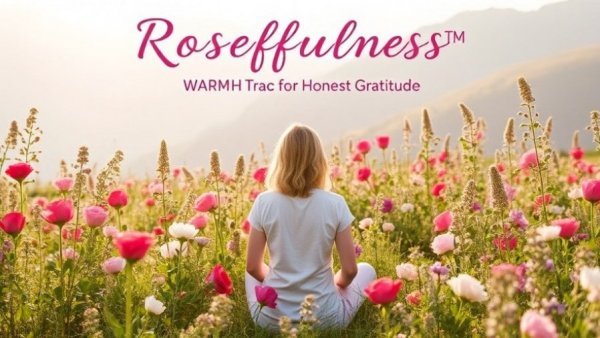
Understanding Rosefulness™: A Practice Rooted in Gratitude
Gratitude plays a crucial role in personal well-being, enhancing our relationships and boosting our physical and mental health. The Rosefulness™ practice encourages individuals, particularly those in active lifestyles such as athletes, hikers, and outdoor enthusiasts, to cultivate gratitude through simple, actionable steps. At the core of this method are three fundamental components: noticing support systems, naming needs, and performing acts of care.
Create a Foundation by Noticing Your Support
The first step in any gratitude practice involves recognizing what supports you in your daily activities—whether it's your physical and mental health, nature, friends, or the supportive community of fellow athletes and outdoor enthusiasts. For sports participants, having solid support structures is critical. Acknowledging these can lead to a more profound appreciation for the resources available, both tangible and intangible. For example, hikers often find solace in their surroundings; the majestic mountains or serene parks not only boost mood but also offer a sense of peace, contributing to a deeper connection with nature. Noting these supportive elements can enhance an athlete's focus, particularly under pressure. By taking the time to appreciate these supports, individuals can foster a stronger mental framework that helps tackle challenges in sports and outdoor adventures.
Identifying Needs: A Personal Reflection
The next aspect of the Rosefulness practice is the articulation of personal needs. Engaging in reflection helps one pinpoint what is lacking or desired in their life. For those involved in outdoor sports, this could be the need for more time in nature, improved team dynamics, or even better equipment. By clearly naming these needs, individuals can promote personal accountability and goal setting, leading to actionable insights that enhance performance and foster recovery. Research shows that outdoor activities significantly contribute to mental health improvements, as they promote mindfulness and connection to the environment. Furthermore, recognizing needs may lead to proactive measures, such as seeking out workshops on team building for group activities or investing in quality gear that enhances performance and safety during outdoor excursions.
Acts of Care: The Ripple Effect
Offering even the smallest act of care—whether for oneself or others—can create a positive ripple effect in one's community. This can be as simple as encouraging a teammate after a tough competition or treating oneself to a relaxing day off to recuperate. In high-pressure sports environments, these small acts can enhance team morale and foster stronger bonds among group members. Moreover, fostering an environment of kindness and understanding can alleviate competitive stress and promote collaborative growth among athletes. The psychological benefits of performing acts of kindness are noted in various studies, reflecting an increase in happiness and satisfaction. For individuals in the hiking community, sharing experiences or helping a fellow hiker can create lasting friendships and promote community spirit. Such connections can make outdoor activities more enjoyable and meaningful, ultimately enriching the experience for all involved.
Bridging the Gap: How Rosefulness™ Enhances Mind-Body Connection
Practicing Rosefulness™ not only benefits mental health but also enhances the mind-body connection crucial for athletes. The interplay of gratitude, reflection, and care can significantly reduce stress levels, contributing to better performance and recovery strategies. Engaging with emotions related to gratitude can promote relaxation and improve focus, giving athletes a competitive edge. This emotional awareness enables individuals to better navigate the pressures of training and competition while maintaining a sense of purpose and joy in their pursuits. Incorporating mindfulness techniques that complement the Rosefulness practice further enhances this connection, allowing for a more integrated approach to both physical and mental health.
Future Implications: The Role of Gratitude in Sports
As research continues to expand on the benefits of gratitude practices in sports and wellness, future predictions indicate that these practices could become integral parts of training regimens. Coaches and sport psychologists may adopt gratitude exercises to enhance their athletes’ preparedness, resilience, and overall mental health. By aligning their training with emotional well-being, they create a more holistic approach to athletic development, which is essential in today's ever-evolving sports landscape. This integration can lead to long-term benefits, including improved performance outcomes, lower burnout rates, and enhanced athlete satisfaction. In addition to individual athletes, teams that embrace gratitude practices can build a significantly stronger culture, leading to improved collaboration and performance.
In Conclusion: Embracing Rosefulness™ for a Healthier Tomorrow
In a world where performance pressure is high, adopting practices like Rosefulness™ can provide a refreshing perspective on gratitude and support systems. It urges athletes to not only reflect on their successes but also embrace their challenges, nurturing their mental and emotional health. By integrating gratitude into the daily routine, individuals can experience various benefits extending beyond sports, leading to a more fulfilled life.
As you engage in your next hike or athletic challenge, consider how you can incorporate the principles of Rosefulness™ into your journey. Reflect on your surroundings, articulate your needs, and spread kindness. Engaging in these aspects of care and gratitude not only uplifts your own spirit but also contributes positively to those around you, ensuring we all benefit personally and as a community. The practice of Rosefulness™ encourages a lifestyle that fosters not only personal growth but also the enrichment of those who share in our athletic and outdoor experiences.






Write A Comment