

NC Living Healthy 365
  • Home
  • Categories
    • Triangle Local News
    • Mind-Body Connection & Stress Relief
    • Chiropractic Care & Spinal Health
    • Hiking & Outdoor Wellness
    • Sports Injury Prevention & Recovery
    • Holistic Pain Management
    • Nutritional Support for Recovery & Performance
November 08.2026
4 Minutes Read

How Poetry and Wonder Enhance Sports and Outdoor Experiences

What Poetry Can Teach Us About Wonder: An Interview With Maya C. Popa

Exploring the Essence of Wonder

In an age where digital distractions dominate our attentions, poet Maya C. Popa provides a refreshing reminder of the importance of wonder. Her insights discuss how poetry teaches us to engage with life’s mysteries, encouraging a renewed appreciation for the world around us. This holds particular relevance for those involved in sports and hiking—activities where nature reveals wonders at every turn.

Mindfulness in Motion: Lessons from the Trail

For outdoor enthusiasts, the act of immersing oneself in nature can evoke feelings akin to poetry. The simplicity of a bird's song or the intricate patterns of leaves can inspire awe. Engaging fully with our surroundings cultivates mindfulness, a theme echoed by Popa. When we approach hiking not merely as exercise but as an exploration of wonder, we develop a deeper connection with nature.

Consider the experience of climbing a mountain. Each step can be viewed as a chance to engage in a dialogue with the environment—the crunch of gravel underfoot, the breeze brushing against your skin, or the shifting light as the sun descends. These moments highlight the interconnection between us and the world, embodying the essence of what Popa describes in her approach to poetry and wonder. By embracing these small details and allowing ourselves to be present in the moment, we can cultivate a richer, more fulfilling experience on the trail.

The Role of Curiosity in Performance

Curiosity fuels our desire to explore and push our limits, much like the pursuit of understanding in poetry. Athletes and hikers who embrace a mindset of curiosity can transform their experiences, leading to breakthroughs in performance. They learn to appreciate not just the destination but the journey itself. As Popa suggests, it is through uncertainty that we discover new facets of our capabilities.

For instance, a hiker who approaches a challenging trail with curiosity might experiment with new techniques, testing the limits of their endurance and adaptability. Such an exploration can foster a sense of accomplishment that extends beyond physical performance. It becomes about learning to navigate the unknown and adapting to the ever-changing landscape of both nature and oneself.

In sports as well, embracing a curious mindset can free athletes from the restrictions of focusing solely on competition. Rather than just competing against others, they can explore personal goals, pushing themselves to improve in ways that are meaningful to them. This shift from mere performance to a holistic experience allows athletes to rediscover their passion and joy in the activities they love.

Counterarguments: The Dangers of Distraction

While technology offers convenience, it often detracts from our ability to appreciate the present. Focusing on screens rather than sights can hinder our capacity for wonder. Critics argue that this obsession with technology fosters a culture of impatience and inattentiveness, which can negatively impact both performance and mental well-being. A balance is essential, one that integrates mindful experiences into our routines.

Moreover, a dependence on technology can create an artificial barrier between individuals and their surroundings. For example, relying heavily on fitness trackers and apps to measure performance might lead a hiker to overlook the genuine enjoyment of being outdoors in nature. It can obscure the simple pleasure of feeling the ground beneath one's feet or witnessing a stunning sunset while on the trail.

Taking the time to disconnect from digital devices, even for short periods, can reinvigorate our enthusiasm for the simple wonders in life. Many outdoor clubs and communities encourage technology-free hikes, allowing participants to focus entirely on their surroundings, fostering a collective sense of appreciation. This practice can serve as a powerful reminder that sometimes, the best way to engage with our world is to unplug and immerse ourselves fully.

Practical Tips for Cultivating Wonder

To foster a sense of wonder, outdoor enthusiasts can integrate small, mindful practices into their routines. Start by dedicating time to observe the details—be it the contours of a mountain or the rhythm of your breath as you hike. Journaling experiences can replicate the reflective nature of poetry, allowing individuals to articulate and celebrate the beauty they encounter on the trail.

A great way to start might involve setting aside a specific day each week to explore a new trail or location. This exploration could be a short walk in a nearby park or a more extended hike in the mountains. During these outings, take a moment to pause and simply listen to the environment—notice how the wind moves through the trees, or how wildlife responds to human presence. These moments of stillness can open us to the wonders that are often overlooked in our fast-paced lives.

Additionally, sharing these experiences with a friend or loved one can enhance the appreciation. Engaging in conversations about what you observe can deepen insight and reinforce a sense of community. Perhaps consider creating a shared journal where both of you can document your thoughts and reflections on the experiences you’ve shared in nature.

Conclusion: The Power of Wonder in Everyday Life

As we navigate our busy lives, the wisdom of Maya C. Popa reminds us of the transformative potential in cultivating attention and embracing uncertainty. For those who hike or engage in sports, integrating these elements can enhance not only performance but also overall experience. Stay curious, remain attentive, and allow the natural world to inspire you. With each step, each breath, and every moment of wonder, we enrich our lives both on and off the trail, finding poetry in our everyday existence.

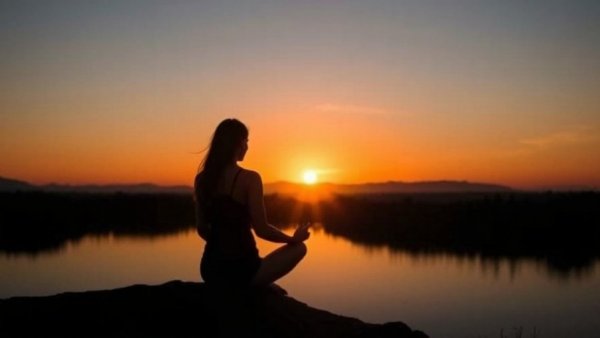
Mind-Body Connection & Stress Relief

0 Comments

Write A Comment

*
*
Please complete the captcha to submit your comment.
Related Posts All Posts
11.07.2026

Experience the Healing Power of Nature with a Rosefulness™ WONDER Walk

Update Finding Beauty in Nature: The Importance of Mindfulness In an age dominated by screens and busyness, it can be easy to overlook the simple wonders of the natural world around us. That’s where a Rosefulness™ WONDER Walk comes into play. This practice invites people, especially children, to slow down and fully immerse themselves in nature. By focusing on a single detail, such as a leaf, flower, or rock, participants can cultivate mindfulness and engage in small acts of care, enhancing their connection to the environment. Embracing Nature's Lessons Through Simple Acts While the idea of a WONDER Walk may seem straightforward, its impact is profound. The act of engaging with nature encourages individuals to appreciate the intricacies of life that often go unnoticed in our fast-paced world. Taking the time to notice a blooming flower or the intricate texture of tree bark allows for a unique moment of reflection. Such observations serve as a powerful reminder of our interconnectedness with the natural world, fostering a deeper sense of belonging and responsibility towards the earth. Moreover, these mindful moments can dramatically change one’s perspective. When individuals pause to examine nature up close, they often find beauty in unexpected places. This could be the vibrant colors of autumn leaves or the detailed patterns on a butterfly's wings. These encounters can inspire us to rethink our relationship with the environment and our role within it, leading to more sustainable practices in our everyday lives. Practical Ways to Implement Rosefulness™ in Outdoor Activities Taking a WONDER Walk can seamlessly integrate into various outdoor activities such as hiking, sports, or community events. To implement this practice during your next outing, follow these steps: Pause: Choose a natural detail that captures your attention during an outdoor activity. This could be something as simple as a unique rock formation or the sound of rustling leaves. Observe: Spend a few moments quietly examining the detail, appreciating its unique beauty and significance within its environment. Care: After your observation, consider a small act of care, such as picking up litter from the area, watering a plant, or simply sharing your newfound observations with friends or family members. By spotlighting a particular element of nature, participants can cultivate awareness and appreciation for their surroundings, which ultimately enhances their overall outdoor experience. This practice not only enriches personal connections to the natural world but also fosters community engagement—encouraging others to join in caring for local ecosystems. Fitness and Well-being: The Mind-Body Connection in Nature The connection between physical activity and mental health is well-documented. Engaging in sports or hiking amid nature not only invigorates the body but also soothes the mind. According to research, spending time outdoors reduces stress levels and enhances mood, making practices like the WONDER Walk particularly beneficial for individuals involved in sports. Many athletes have begun to incorporate these mindfulness practices into their routines for improved performance. By integrating mindfulness into physical activities, participants can deepen their focus and enhance their performance. Engaging in nature-based exercises focuses attention on the immediate environment, thus promoting overall well-being. This practice serves as a reminder to appreciate the journey, not just the destination. As we explore nature through hiking or sports, integrating moments of mindfulness can turn ordinary outings into extraordinary experiences filled with joyful discoveries. Counterarguments: Exploring Diverse Perspectives on Outdoor Activities While the benefits of mindfulness in nature are numerous, it’s important to recognize that not everyone feels compelled by traditional outdoor activities. Some individuals may find solace indoors or through virtual engagements. As urban settings become more prevalent, understanding diverse preferences is crucial for fostering inclusion in community wellness initiatives. For some, mindfulness practices can be adapted to suit various environments, ensuring that everyone can access the benefits of a WONDER Walk—whether in a local park, backyard, or even while enjoying a moment of stillness in their homes. Additionally, the pursuit of outdoor activities can also present challenges. Urban settings often lack easy access to nature, and some may struggle with mobility issues. Recognizing these barriers allows for greater inclusivity and opportunities to design programs that meet various needs. Mindfulness can manifest in many forms, and its principles can guide individuals regardless of their geographical or physical limitations. A Call to Action: Inviting Change Through Nature As we embrace the transformative power of nature, let’s commit to incorporating WONDER Walks into our routines. Whether you are leading a youth group, organizing a community hike, or simply exploring the trails with family, take a moment to pause, observe, and care. Movement through nature is not just about physical fitness; it’s about nurturing our souls, and understanding the vital connections we share with the world around us. So, the next time you step outside, remember: it’s not only about the exercise but also about connecting with the living world around you. This practice shapes our minds, bodies, and communities and fosters a healthier, more compassionate society. Together, let’s celebrate the beauty of our natural surroundings and the joy that comes from engaging with them mindfully.

11.06.2026

Unlock Your True Potential: 7 Mindful Writing Prompts for Athletes and Adventurers

Update Discovering Yourself through MindfulnessIn today's fast-paced world, individuals often find themselves caught in the grind of daily responsibilities. Whether you're an athlete training for your next competition or an outdoor enthusiast venturing into nature, taking a moment to connect with yourself can prove invaluable. Often dubbed mindfulness, this practice facilitates a space for reflection—allowing you to step back and consider your thoughts and feelings without harsh judgment. Engaging in this practice can be particularly beneficial for those involved in sports and outdoor activities, as it promotes mental clarity and emotional stability, essential components in achieving peak performance.The Challenge of Finding TimeAs we juggle sports, hiking, and the many obligations that life serves up, we may think that taking time to reflect is an indulgence we can't afford. However, carving out even a few minutes each day to breathe and focus on our innermost selves can lead to improved performance in our passions and overall well-being. It's about being intentional with how we choose to spend our time. Mindfulness does not require a significant time commitment; in fact, the beauty of mindfulness lies in its simplicity. Even a brief pause can help center your thoughts and prepare you for the challenges ahead.Seven Mindful Writing PromptsTo help facilitate this introspection, here are seven writing prompts designed to deepen your connection with yourself. These prompts can be used during a quiet moment after a hike or while cooling down post-workout, allowing you to harness the energy of relaxation and focus:What motivates you to pursue your passions? Reflect on the driving factors that push you, whether it be joy, competition, or a sense of community. Understanding your motivations can help clarify your goals, aiding in a more focused training regimen.What are your biggest fears? Digging into fear can feel daunting; yet, knowing what intimidates you can foster courage and resilience. Acknowledging fears, especially in a competitive environment, can be the first step toward conquering them.What dreams do you hold dear? Consider what you wish to achieve in life, whether it be personal growth, athletic success, or simply the pursuit of happiness. This reflection can guide you toward setting actionable goals aligned with your dreams.How do you express your true feelings? Evaluating your emotional availability can create an opportunity for honesty in both sports and personal relationships. As athletes, being in touch with your emotions can improve camaraderie and team dynamics.What is your definition of strength? Let's reframe our understanding; true strength could mean being vulnerable and open. Embracing emotional honesty in sports can inspire those around you, transforming your competitive circle into a supportive environment.Reflect on how you support others. Connecting with the people around you enhances your well-being and strengthens community bonds. This is especially crucial for athletes who rely on team synergy for success.What makes you happy? Always remember the elements in life that bring you satisfaction, guiding you toward fulfillment both in and out of your sports endeavors.The Power of ReflectionTaking the time to explore these prompts might shed light on aspects of self you’ve neglected due to life’s busyness. Engaging in this mindful writing not only nurtures personal insight but can also elevate your performance in sports and outdoor activities. Athletes can particularly benefit, as understanding one’s motivations and fears can lead to improved mental focus and resilience, crucial elements in both training and competition. Athletes often train rigorously; however, combining physical training with emotional awareness can lead to superior performance outcomes.Building Emotional IntelligenceIncreasing one's emotional awareness can lead to enhanced performance and connection with others. It’s important to understand that feelings—often viewed as weaknesses in competitive fields—are inherently human experiences that enrich our capabilities. Encourage young athletes, especially boys, to adopt a holistic view that recognizes emotion as a sign of strength. This reshaping of societal norms can lead to an era where vulnerability and truth come forth in every aspect of life. Recognizing that emotional intelligence plays a pivotal role in leadership and teamwork can further drive home its importance.Actionable Steps for Daily MindfulnessTo integrate mindfulness and self-reflection into your daily routine, consider setting aside specific times throughout your day to engage in just a few moments of introspection. Perhaps you take those extra few moments to stretch your body before your next hike, or you reflect during your cooldown routine after practice. These dedicated moments can enhance your connection to self. Take deep breaths, focus on your body, and let the thoughts flow freely. You might even incorporate mindfulness practices into your sports routine, using techniques like visualization to prepare for competition.Your Mind-Body ConnectionRemember that every sport, every hike, is more than just physical exertion; it’s a blend of mind and body. Incorporating mindfulness can lead to greater balance, improving not just performance but overall wellness. Engaging with yourself on this deep level not only enriches you personally, but it allows the outdoor experiences and athletic challenges to resonate more profoundly. Acknowledging the body-mind synergy can facilitate recovery and boost motivation, enhancing your outdoor experiences significantly.Conclusion: Take the Next StepIncorporating mindfulness and reflection into your daily routine doesn’t just focus on improving athletic performance; it nurtures a holistic sense of self. Embrace the chance to enhance both your physical and mental health with practices that allow for deeper connections with who you are and what you do. So, grab a journal, a favorite writing tool, or simply pause during your day—your self-reflective journey can start in these very moments. Remember, the path to self-discovery and enhanced performance is a continuous journey—make each moment count.

11.04.2026

Overcome Overthinking in Sports and Life: Strategies for Clarity

Update Unpacking the Psychology of OverthinkingWe've all been there—lost in a whirlwind of thoughts about past conversations, analyzing what went right or wrong. This phenomenon, dubbed 'overthinking,' often magnifies the emotional weight of our interactions, making them feel far more burdensome than they truly are. Just like Seneca suggested, our imagination can cause deeper suffering than reality. Understanding this psychological quirk is crucial for those who regularly engage in competitive sports or outdoor activities where mental clarity can significantly affect performance.The act of replaying conversations can drain our mental energy, leaving us fatigued even when we haven't engaged in physical exertion. For athletes, this mental fatigue can lead to decreased focus during critical moments, whether that's on the field, in a match, or on the hiking trail. The pressure to perform can intensify these feelings, making it imperative to understand how to manage them effectively.The Mixed Signals of Modern CommunicationIn today's world, communication is instantaneous yet often fraught with misunderstanding. The text messages that were once a source of comfort can quickly turn into a breeding ground for insecurity. For instance, when an athlete sends a text to a teammate for support or guidance, the delay in responses can create unnecessary tension. Suddenly, a short wait becomes a moment loaded with potential doubt and could lead to second-guessing one's abilities or worth. Instead of fostering connection, text messages can become a form of emotional maintenance, just as the author experienced. Recognizing these patterns can help individuals in team-based sports avoid unnecessary ruminations that could detract from their performance.Moreover, sports communication often relies heavily on non-verbal cues, which text messages simply cannot convey. This limitation can lead to misinterpretations and heighten anxiety. For example, when a teammate’s response time increases or they seem short in their replies, it may trigger feelings of distance or disinterest, undermining team morale. Understanding this aspect can help athletes maintain a more balanced perspective on their interactions, emphasizing the importance of direct communication whenever possible.Mindfulness Techniques to Cope with OverthinkingPracticing mindfulness can be a game-changer for those entangled in overthinking. Whether you are an athlete preparing for a competition or someone hiking through nature, techniques like guided meditations, breathing exercises, and journaling can ground you in the present moment. Instead of replaying past conversations, consider focusing on the sensations around you—such as the sounds of nature or the rhythm of your breath. This shift in focus is essential in sports, where maintaining mental clarity can lead to better outcomes and improved overall well-being.Incorporating mindfulness into daily routines can cultivate a more resilient mindset. For instance, aspiring athletes may find benefit in tight morning or evening rituals that include time for reflection or meditation. Engaging with these practices before competition can help clear the mind, reduce anxiety, and prime athletes for peak performance. Hiking or other outdoor activities, too, can serve as natural settings for mindfulness, allowing people to disconnect from the chaos of daily life while connecting with their inner selves.The Impact of Emotional ReassuranceEmotional reassurance can have a profound effect on our relationships and mental health. In competitive sports, verbal encouragement from coaches and peers enhances team dynamics and individual confidence. Support from a mentor, coach, or trusted teammate fosters a sense of belonging, allowing athletes to focus on their performance rather than their self-doubt. As demonstrated in the article, the subtle transition from affectionate expressions to desperate reassurances can undermine the essence of communication. When individuals feel the need to seek constant validation, it can send ripples of anxiety through their interactions. Building a culture of trust and acceptance within teams and groups can help mitigate such issues.Encouraging open dialogues about emotional health can also enhance team cohesion. Team-building exercises focused on mental well-being can improve relationships, decrease performance anxiety, and cultivate an environment where athletes feel secure enough to share their vulnerabilities. The key is to instill the understanding that seeking reassurance is a normal part of the human experience, rather than a reflection of weakness.Recognizing Ruminating Cycles: Steps Towards RecoveryIdentifying the cycle of rumination is the first step towards breaking free from it. For many, especially those engaged in physically demanding activities, recognizing how negative thought patterns can affect both mental and physical performance is essential. Ruminating can lead to a decline in concentration, muscle coordination, and decision-making skills—traits that are crucial in competitive sports.Athletes can benefit from training their minds just as they train their bodies. Setting aside time each day for self-reflection—while noting your thoughts without judgment—can teach athletes how to approach their emotions constructively. Mind mapping, for instance, offers a tangible way to visualize thoughts and feelings, creating a clearer understanding of their source. By acknowledging ruminative patterns, one can take proactive steps towards a healthier mentality both on and off the field.A Call to Action: Embracing Mental ClarityReflect on your engagements—both in sports and in your personal life. Are you caught in the cycle of replaying conversations or seeking external validation? Taking steps to embrace mental clarity not only improves communication in your personal relationships but can also enhance your performance in sports. Lessons from both the competitive and outdoor worlds underscore the importance of mental clarity and emotional balance.For those navigating the complexities of modern communication and emotional insecurity, acknowledging what distracts can lead to significant improvements in resilience and performance. Our journey towards mental clarity is ongoing, often requiring persistent effort and self-compassion. Let’s regroup and reflect, fostering an environment where we can actively support each other's mental health while enhancing our game. Together, we can set a new standard for achieving peak performance—from the playing field to the hiking trail and beyond.

MYBRANDINGLOGO
NC Living Healthy 365 logo showcasing holistic wellness and chiropractic care.
CONTACT US

+1 919 526 6330

ADDRESS

3436 Cashew Drive, Raleigh, NC, 27616

ABOUT US

At NC Living Healthy 365, we are dedicated to helping athletes, active individuals, and wellness seekers achieve peak performance and long-term health. Our platform brings together expert insights, research-backed advice, and practical tips on chiropractic care, sports injury prevention, holistic pain management, nutrition, and mind-body wellness. Whether you're recovering from an injury, looking to enhance your performance, or seeking natural pain relief solutions, we provide the knowledge and resources to support your journey to optimal well-being.

© 2026 CompanyName All Rights Reserved. Address . Contact Us . Terms of Service . Privacy Policy

Terms of Service

Privacy Policy

Core Modal Title

Sorry, no results found

You Might Find These Articles Interesting

T
Please Check Your Email
We Will Be Following Up Shortly
*
*
*