
NC Living Healthy 365
  • Home
  • Categories
    • Triangle Local News
    • Mind-Body Connection & Stress Relief
    • Chiropractic Care & Spinal Health
    • Hiking & Outdoor Wellness
    • Sports Injury Prevention & Recovery
    • Holistic Pain Management
    • Nutritional Support for Recovery & Performance
November 10.2026
4 Minutes Read

Transform Your Adventures: Stop Waiting to Be Saved with Inner Magic

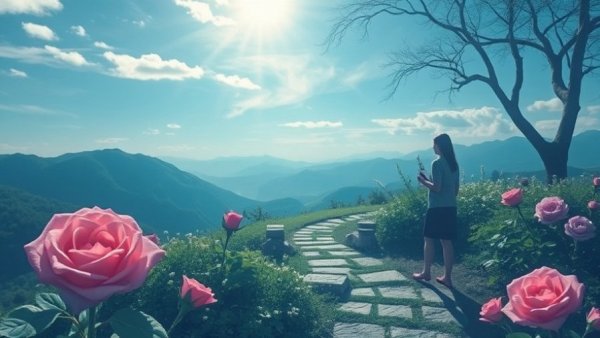
Exploring self-doubt in mystical forest adventure

Uncovering Inner Resilience: From Fantasy to Reality

It’s not uncommon to drift between dreams and reality as we navigate life’s challenges, particularly for those involved in physically demanding endeavors like sports and hiking. The quest for safety and belonging often leads individuals to seek external validation, echoing the profound journey of the Dream Weaver. The narrative shared by the author reveals a common thread—the need to be seen and saved, rooted in early experiences of trauma and longing for connection. However, as we transition from childhood to adulthood, the magic we once relied on can become our chains, tethering us to expectations and fantasies that may not serve our best interests.

Bridging Dreams and Reality in the Outdoors

For many engaged in sports and outdoor activities, the thrill of adventure often masks underlying insecurities—the need to prove oneself or to attain external validation from peers and mentors. Like the Dream Weaver, athletes may often cling to a vision of success that can cloud their perception of reality. Whether scaling a mountain or pushing through the final stretch of a marathon, the ability to project goodness and hope onto either ourselves or our teammates can initially feel uplifting. However, it can also lead to overlooking critical aspects of the present, such as personal vulnerabilities or the efficacy of current training regimens. Acknowledging the reality of one’s situation—be it challenges in skill development or emotional barriers—becomes essential for genuine growth.

Resilience: The Balance Between Hope and Reality

The author's journey emphasizes that hope is vital, particularly in high-pressure environments. However, sports enthusiasts might find that maintaining this hope should come with a grounded awareness of reality. Incorporating mindfulness practices into training—such as being present in the moment, recognizing one’s fears, and embracing doubts—can foster resilience. As our skill sets develop through practice and experience, so too must our inner dialogues about what we expect from ourselves and those we idolize in our sports community. Cultivating a mindset that embraces both triumph and failure allows for a more comprehensive understanding of personal development.

Addressing the Shadow of Expectation

While imagination can ignite the spirit, it can also cause individuals to emotionally attach themselves to outcomes that may never come to pass. For athletes, this is particularly poignant—yearning for approval from coaches or peers can lead to a cycle of disappointment that hampers progress. Emotional attachment to a singular vision can hinder one’s ability to adapt to changing circumstances and find joy in the journey itself. It is crucial to nurture personal goals rooted in self-appreciation and intrinsic motivation, rather than waiting for rescuers in the form of accolades or recognition. Embracing the failures and challenges one faces during sports or outdoor pursuits may transform them into the essential stepping stones for future success.

Practical Strategies for Grounding Dreams

To thrive in the fast-paced world of sports or the uncertainties of hiking adventures, individuals can implement actionable insights that cut through fantasies and foster tangible growth:

  • Goal Setting: Set specific, measurable targets for both performance and personal growth, ensuring they reflect realistic aspirations grounded in personal capabilities. Aim for a balance between challenging oneself and recognizing limitations.
  • Self-Reflection: Regularly evaluate your progress and emotional well-being, acknowledging your achievements, even the small ones. This reflection could involve journaling techniques that crystallize thoughts and experiences.
  • Community Support: Build connections that foster healthy feedback and encouragement, rather than dependency on a singular source of validation. Engaging with teammates or local outdoor groups can create an environment of shared journey and motivation.
  • Mental Resilience Techniques: Embrace techniques such as visualizations that focus on realistic outcomes or mindfulness practices like meditation to combat anxiety about performance. Mental rehearsal can help in preparing for actual challenges.
  • Reconnect with Nature: Spending time in natural settings serves not just as a break from routine but allows individuals to ground their energy and connect with their sense of self beyond the competitive arena. Nature can provide a healing backdrop that enhances clarity and focus.

The Future: Empowering the Dream Weaver

As we learn to balance hope with reality, we effectively become the architects of our destinies rather than passive dreamers. The journey of healing from past traumas, whether in sports or personal life, unlocks the potential within us to transform dreams into achievable goals. Looking forward, the fusion of mind, body, and spirit within the context of outdoor adventures can lead to profound self-discovery and empowerment—both on and off the field. Engaging in activities that challenge us physically can also serve as a metaphor for overcoming life’s challenges, reminding us that every peak is worth the climb.

Conclusion: Take the Next Step in Your Journey

The exploration of our inner magic can be a delicate balancing act between dreaming and doing. By embracing reality while nurturing the hope that has always been part of our journey, we can turn ambitions into tangible realities. Engage with communities that support your growth, seek inspiration from nature, and write your story of resilience. As we foster a brand of empowerment that doesn’t wait to be saved but actively participates in crafting a future that reflects the true essence of who we are, we unlock the full potential of our dreams—allowing us to become active participants in our lives.


Mind-Body Connection & Stress Relief

0 Comments

Write A Comment

*
*
Please complete the captcha to submit your comment.
Related Posts All Posts
11.11.2026

Why Knowing Better Doesn’t Always Help You Change: Embracing Mindfulness in Sports

Update Understanding How Awareness Aligns with TransformationWhen faced with overwhelming challenges, such as a sudden health scare in the family, our natural instinct is to gather strength and sustain our responsibilities. In her poignant narrative, the author reflects on a life-altering moment when her daughter faced a brain tumor diagnosis. It’s an experience that taught her more than just survival; it revealed the nuances of emotional resilience and the importance of mindfulness—concepts relevant for anyone, including those involved in high-energy activities like sports and hiking.This connection between personal crises and broader life applications also underscores the profound impact that understanding our emotions can have. For athletes, this is especially pertinent. The physical demands of sports often mirror emotional strains, where the stakes can feel just as high. Much like navigating a personal trauma, facing a challenging game or competition requires a player to not just rely on physical training but also on mental fortitude.The Power of Mindfulness in High-Stress SituationsDuring intense experiences, such as competitive sports or strenuous hiking, athletes encounter both physical demands and mental strain. The author’s journey to cultivate mindfulness during a crisis speaks volumes to the sports community, where the strain can lead to burnout or emotional fatigue. Mindfulness techniques—focusing on the breath, engaging in slow and deliberate movements, or simply being present in the moment—can enhance performance by grounding individuals amidst chaos, much like how they helped the author regain her emotional equilibrium during a stormy time.In a sporting context, moments of mindfulness can translate into better decision-making on the field. Athletes who practice being in the moment can learn to respond rather than react, allowing for sharper focus and improved outcomes, whether it’s making a critical play or navigating a tough hiking trail. Therefore, integrating mindfulness practices into one’s routine can be transformative, helping individuals stay focused and energized.How Difficult Experiences Foster GrowthEngaging in sports can mirror life’s unpredictabilities, where obstacles unexpectedly arise, necessitating quick adaptations. The author’s realization of the deeper patterns in her thoughts and emotional reactions after her daughter's crisis illustrates how adversity often triggers growth. Athletes, by embracing challenges—whether physical or psychological—can tap into profound reservoirs of strength, helping them progress not just in their sports but in their broader life goals.Every setback in sports, whether it's an injury or a lost match, offers a unique opportunity for growth. These moments compel athletes to evaluate their approach, refine their techniques, and develop resilience. Just as the author observed the unseen patterns in her emotional responses, athletes can benefit from reflecting on their reactions to failure, which can aid in spreading a culture of learning and improvement across teams.The Balance of Responsibility and Self-Care in a High-Stakes EnvironmentIn the fast-paced world of sports, the drive to excel can sometimes come at the cost of mental well-being. The author discusses how, despite appearing competent on the outside, she struggled with exhaustion from balancing responsibilities. This resonates with many in the sports community, where athletes often feel consumed by performance pressures. Understanding that it’s okay to seek help and establish personal limits is crucial for long-term success and health, fostering an environment where athletes can thrive both competitively and personally.Many athletes operate under the misguided belief that they must continually push themselves to their limits. This mindset can lead to both physical injuries and mental health issues like anxiety and depression. The story serves as a reminder of the importance of self-care, emphasizing that athletes should prioritize their well-being just as much as their training. Creating a balanced schedule that includes rest, recreation, and connection with others can support mental health.Practical Tips for Cultivating Resilience in Sports and LifeThis narrative reinforces the importance of embedding resilience-building practices into daily routines. For athletes, simple habits such as regular meditation, mindful breathing exercises, and establishing supportive social circles can enhance mental clarity and emotional balance. Incorporating these habits into training regimens can prepare athletes not just physically, but also mentally, ultimately leading to better outcomes in both their sports endeavors and personal lives.Moreover, athletes could benefit from journaling as a tool for reflection. By documenting their experiences, emotions, and thoughts, they can gain insights into their growth and the challenges they face. This practice helps in identifying patterns that can be adjusted for improvement and resilience in future endeavors.A Call to Action for the Sports CommunityAs we reflect on the interplay between understanding our emotions and achieving personal growth, let’s take a proactive approach. Athletes, coaches, and families should prioritize mental well-being just as much as physical training. Embracing mindfulness and cultivating a supportive community can transform how one performs in sports and navigates life's deeper challenges.It is equally essential for sports organizations and teams to understand this relationship and invest in mental health resources. Workshops, counseling services, and team-building exercises centered on mindfulness can empower athletes, equipping them with skills that will serve them far beyond their sporting careers. By fostering environments where mental health is valued, the sports community can ensure its members not only excel in their fields but also lead fulfilling lives.

11.08.2026

How Poetry and Wonder Enhance Sports and Outdoor Experiences

Update Exploring the Essence of Wonder In an age where digital distractions dominate our attentions, poet Maya C. Popa provides a refreshing reminder of the importance of wonder. Her insights discuss how poetry teaches us to engage with life’s mysteries, encouraging a renewed appreciation for the world around us. This holds particular relevance for those involved in sports and hiking—activities where nature reveals wonders at every turn. Mindfulness in Motion: Lessons from the Trail For outdoor enthusiasts, the act of immersing oneself in nature can evoke feelings akin to poetry. The simplicity of a bird's song or the intricate patterns of leaves can inspire awe. Engaging fully with our surroundings cultivates mindfulness, a theme echoed by Popa. When we approach hiking not merely as exercise but as an exploration of wonder, we develop a deeper connection with nature. Consider the experience of climbing a mountain. Each step can be viewed as a chance to engage in a dialogue with the environment—the crunch of gravel underfoot, the breeze brushing against your skin, or the shifting light as the sun descends. These moments highlight the interconnection between us and the world, embodying the essence of what Popa describes in her approach to poetry and wonder. By embracing these small details and allowing ourselves to be present in the moment, we can cultivate a richer, more fulfilling experience on the trail. The Role of Curiosity in Performance Curiosity fuels our desire to explore and push our limits, much like the pursuit of understanding in poetry. Athletes and hikers who embrace a mindset of curiosity can transform their experiences, leading to breakthroughs in performance. They learn to appreciate not just the destination but the journey itself. As Popa suggests, it is through uncertainty that we discover new facets of our capabilities. For instance, a hiker who approaches a challenging trail with curiosity might experiment with new techniques, testing the limits of their endurance and adaptability. Such an exploration can foster a sense of accomplishment that extends beyond physical performance. It becomes about learning to navigate the unknown and adapting to the ever-changing landscape of both nature and oneself. In sports as well, embracing a curious mindset can free athletes from the restrictions of focusing solely on competition. Rather than just competing against others, they can explore personal goals, pushing themselves to improve in ways that are meaningful to them. This shift from mere performance to a holistic experience allows athletes to rediscover their passion and joy in the activities they love. Counterarguments: The Dangers of Distraction While technology offers convenience, it often detracts from our ability to appreciate the present. Focusing on screens rather than sights can hinder our capacity for wonder. Critics argue that this obsession with technology fosters a culture of impatience and inattentiveness, which can negatively impact both performance and mental well-being. A balance is essential, one that integrates mindful experiences into our routines. Moreover, a dependence on technology can create an artificial barrier between individuals and their surroundings. For example, relying heavily on fitness trackers and apps to measure performance might lead a hiker to overlook the genuine enjoyment of being outdoors in nature. It can obscure the simple pleasure of feeling the ground beneath one's feet or witnessing a stunning sunset while on the trail. Taking the time to disconnect from digital devices, even for short periods, can reinvigorate our enthusiasm for the simple wonders in life. Many outdoor clubs and communities encourage technology-free hikes, allowing participants to focus entirely on their surroundings, fostering a collective sense of appreciation. This practice can serve as a powerful reminder that sometimes, the best way to engage with our world is to unplug and immerse ourselves fully. Practical Tips for Cultivating Wonder To foster a sense of wonder, outdoor enthusiasts can integrate small, mindful practices into their routines. Start by dedicating time to observe the details—be it the contours of a mountain or the rhythm of your breath as you hike. Journaling experiences can replicate the reflective nature of poetry, allowing individuals to articulate and celebrate the beauty they encounter on the trail. A great way to start might involve setting aside a specific day each week to explore a new trail or location. This exploration could be a short walk in a nearby park or a more extended hike in the mountains. During these outings, take a moment to pause and simply listen to the environment—notice how the wind moves through the trees, or how wildlife responds to human presence. These moments of stillness can open us to the wonders that are often overlooked in our fast-paced lives. Additionally, sharing these experiences with a friend or loved one can enhance the appreciation. Engaging in conversations about what you observe can deepen insight and reinforce a sense of community. Perhaps consider creating a shared journal where both of you can document your thoughts and reflections on the experiences you’ve shared in nature. Conclusion: The Power of Wonder in Everyday Life As we navigate our busy lives, the wisdom of Maya C. Popa reminds us of the transformative potential in cultivating attention and embracing uncertainty. For those who hike or engage in sports, integrating these elements can enhance not only performance but also overall experience. Stay curious, remain attentive, and allow the natural world to inspire you. With each step, each breath, and every moment of wonder, we enrich our lives both on and off the trail, finding poetry in our everyday existence.

11.07.2026

Experience the Healing Power of Nature with a Rosefulness™ WONDER Walk

Update Finding Beauty in Nature: The Importance of Mindfulness In an age dominated by screens and busyness, it can be easy to overlook the simple wonders of the natural world around us. That’s where a Rosefulness™ WONDER Walk comes into play. This practice invites people, especially children, to slow down and fully immerse themselves in nature. By focusing on a single detail, such as a leaf, flower, or rock, participants can cultivate mindfulness and engage in small acts of care, enhancing their connection to the environment. Embracing Nature's Lessons Through Simple Acts While the idea of a WONDER Walk may seem straightforward, its impact is profound. The act of engaging with nature encourages individuals to appreciate the intricacies of life that often go unnoticed in our fast-paced world. Taking the time to notice a blooming flower or the intricate texture of tree bark allows for a unique moment of reflection. Such observations serve as a powerful reminder of our interconnectedness with the natural world, fostering a deeper sense of belonging and responsibility towards the earth. Moreover, these mindful moments can dramatically change one’s perspective. When individuals pause to examine nature up close, they often find beauty in unexpected places. This could be the vibrant colors of autumn leaves or the detailed patterns on a butterfly's wings. These encounters can inspire us to rethink our relationship with the environment and our role within it, leading to more sustainable practices in our everyday lives. Practical Ways to Implement Rosefulness™ in Outdoor Activities Taking a WONDER Walk can seamlessly integrate into various outdoor activities such as hiking, sports, or community events. To implement this practice during your next outing, follow these steps: Pause: Choose a natural detail that captures your attention during an outdoor activity. This could be something as simple as a unique rock formation or the sound of rustling leaves. Observe: Spend a few moments quietly examining the detail, appreciating its unique beauty and significance within its environment. Care: After your observation, consider a small act of care, such as picking up litter from the area, watering a plant, or simply sharing your newfound observations with friends or family members. By spotlighting a particular element of nature, participants can cultivate awareness and appreciation for their surroundings, which ultimately enhances their overall outdoor experience. This practice not only enriches personal connections to the natural world but also fosters community engagement—encouraging others to join in caring for local ecosystems. Fitness and Well-being: The Mind-Body Connection in Nature The connection between physical activity and mental health is well-documented. Engaging in sports or hiking amid nature not only invigorates the body but also soothes the mind. According to research, spending time outdoors reduces stress levels and enhances mood, making practices like the WONDER Walk particularly beneficial for individuals involved in sports. Many athletes have begun to incorporate these mindfulness practices into their routines for improved performance. By integrating mindfulness into physical activities, participants can deepen their focus and enhance their performance. Engaging in nature-based exercises focuses attention on the immediate environment, thus promoting overall well-being. This practice serves as a reminder to appreciate the journey, not just the destination. As we explore nature through hiking or sports, integrating moments of mindfulness can turn ordinary outings into extraordinary experiences filled with joyful discoveries. Counterarguments: Exploring Diverse Perspectives on Outdoor Activities While the benefits of mindfulness in nature are numerous, it’s important to recognize that not everyone feels compelled by traditional outdoor activities. Some individuals may find solace indoors or through virtual engagements. As urban settings become more prevalent, understanding diverse preferences is crucial for fostering inclusion in community wellness initiatives. For some, mindfulness practices can be adapted to suit various environments, ensuring that everyone can access the benefits of a WONDER Walk—whether in a local park, backyard, or even while enjoying a moment of stillness in their homes. Additionally, the pursuit of outdoor activities can also present challenges. Urban settings often lack easy access to nature, and some may struggle with mobility issues. Recognizing these barriers allows for greater inclusivity and opportunities to design programs that meet various needs. Mindfulness can manifest in many forms, and its principles can guide individuals regardless of their geographical or physical limitations. A Call to Action: Inviting Change Through Nature As we embrace the transformative power of nature, let’s commit to incorporating WONDER Walks into our routines. Whether you are leading a youth group, organizing a community hike, or simply exploring the trails with family, take a moment to pause, observe, and care. Movement through nature is not just about physical fitness; it’s about nurturing our souls, and understanding the vital connections we share with the world around us. So, the next time you step outside, remember: it’s not only about the exercise but also about connecting with the living world around you. This practice shapes our minds, bodies, and communities and fosters a healthier, more compassionate society. Together, let’s celebrate the beauty of our natural surroundings and the joy that comes from engaging with them mindfully.

MYBRANDINGLOGO
NC Living Healthy 365 logo showcasing holistic wellness and chiropractic care.
CONTACT US

+1 919 526 6330

ADDRESS

3436 Cashew Drive, Raleigh, NC, 27616

ABOUT US

At NC Living Healthy 365, we are dedicated to helping athletes, active individuals, and wellness seekers achieve peak performance and long-term health. Our platform brings together expert insights, research-backed advice, and practical tips on chiropractic care, sports injury prevention, holistic pain management, nutrition, and mind-body wellness. Whether you're recovering from an injury, looking to enhance your performance, or seeking natural pain relief solutions, we provide the knowledge and resources to support your journey to optimal well-being.

© 2026 CompanyName All Rights Reserved. Address . Contact Us . Terms of Service . Privacy Policy

Terms of Service

Privacy Policy

Core Modal Title

Sorry, no results found

You Might Find These Articles Interesting

T
Please Check Your Email
We Will Be Following Up Shortly
*
*
*